For a long time, I treated my nighttime skincare routine like I was cramming for an exam. More was always better. I had a whole lineup of “active” ingredients, and my goal was to get as many of them onto my face as possible before my head hit the pillow.
It was a carefully orchestrated chemical symphony. First, the exfoliating toner with glycolic acid. Wait a minute. Then, the retinol to fight wrinkles. Wait another minute. Finally, a Vitamin C serum because I read somewhere it works well with retinol (or was it that they shouldn’t be mixed? I could never remember).
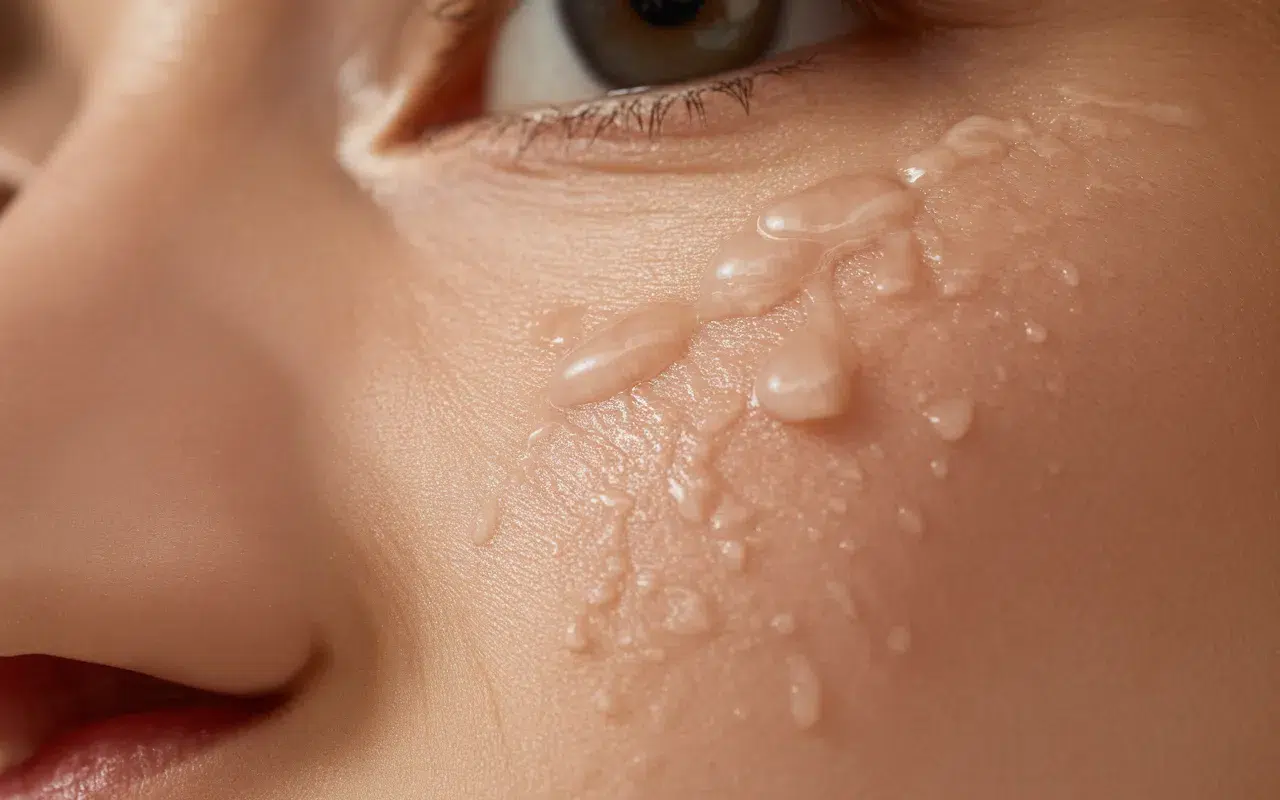
My skin, in return, was in a constant state of low-level panic. It was red, sensitive, and often felt tight and prickly. But I ignored it. I thought this was the price of good skin—the “active” part meant it was working, right? If it tingled, it must be effective.
The truth is, I was waging a chemical war on my own face, and my skin was losing. It took stepping back and simplifying everything to realize that my dedicated routine was the source of all the irritation.
The “More is More” Myth We All Bought Into
If you’re into skincare, you know the pressure. Social media feeds are filled with beautiful people showcasing their “shelfies,” which look like the inventory of a small cosmetics lab. The message is clear: to get that flawless, poreless glow, you need an arsenal of powerful ingredients.
We’re taught to become amateur chemists. We learn about AHAs, BHAs, PHAs, retinoids, peptides, and antioxidants. We are encouraged to cocktail them, creating potent skincare recipes that promise to resurface, brighten, and reverse aging all at once.
I was a star student. I believed that by layering actives, I was being efficient—tackling multiple problems in a single evening. What I was actually doing was compromising my skin’s natural defense system, leaving it vulnerable and angry.
My “aha” moment came not from a new product, but from a simple mistake. I fell asleep on the couch one night, too tired for my multi-step ritual. I woke up the next morning expecting to see dull, congested skin. Instead, the redness on my cheeks had faded. My face didn’t feel tight. It just felt… quiet.
What Happens When You Overload Your Skin
To understand why my skin was so irritated, it helps to think of it like a delicate ecosystem. It has a natural barrier, the stratum corneum, which works hard to keep moisture in and irritants out.
Active ingredients are powerful tools designed to create change in the skin. Retinoids speed up cell turnover. Exfoliating acids dissolve the “glue” that holds dead skin cells together. These are good things, but they are also disruptive processes.
When you start layering actives, you’re asking your skin to handle multiple disruptive events at the same time. It’s like sending in a construction crew to renovate the kitchen, a demolition team to tear down a wall in the living room, and a landscaping crew to dig up the foundation, all at once. The house can’t withstand that much stress.
The signs of an overwhelmed skin barrier are often dismissed as side effects:
- A stinging or burning sensation when applying products (even moisturizer).
- Persistent redness and flushing.
- Increased sensitivity to products you used to tolerate.
- A tight, plastic-like sheen on the skin.
- Flakiness and peeling that never seems to go away.
I was experiencing all of these. I thought it was just my “sensitive skin type,” but it was an injury I was inflicting every single night.
The Experiment: Skin Cycling Before It Was a Trend
I decided to try a new approach. Instead of using everything every night, I would give each active ingredient its own dedicated day. My routine became a simple weekly schedule.
- Night 1: Exfoliation. I’d use a gentle acid toner after cleansing, followed by only a simple, nourishing moisturizer. Nothing else.
- Night 2: Retinoid. After cleansing, I’d apply my retinol, wait a few minutes, and then seal it in with that same basic moisturizer.
- Nights 3 & 4: Recovery. These were my favorite nights. I did nothing but cleanse and moisturize. No actives at all. The goal was to give my skin time to heal and rebuild.
Then, I would repeat the cycle.
The first week was a true test of my willpower. The urge to “do more” on my recovery nights was strong. It felt lazy, like I was missing an opportunity. But I stuck with it, and the results were undeniable.

The Surprising Results of Doing Less
Within the first cycle, the constant stinging stopped. My plain, boring moisturizer no longer felt like fire on my skin. This was the first sign that my barrier was starting to heal.
By the end of the second week, the persistent redness was gone. My skin tone looked more even and calm than it had in years.
What shocked me the most, however, was that my skin actually looked better. The actives seemed to be working more effectively now that they weren’t competing with each other or fighting against a damaged barrier. The exfoliant left my skin looking genuinely brighter the next morning. The retinol was smoothing my texture without turning me into a flaky mess.
I realized a critical truth: layering actives doesn’t just increase irritation; it can also decrease efficacy. When your skin is in a state of defense, it can’t properly utilize the ingredients you’re applying. By giving my skin a break, I was allowing it to properly process and benefit from each product.

How to Rethink Your Relationship with Actives
My journey taught me to see active ingredients not as daily supplements, but as potent, targeted treatments. They are specialists, not generalists.
If you suspect you might be overdoing it, here are a few thoughts to consider:
Pick Your Priority: What is your main skin goal right now? Is it texture? Pigmentation? Fine lines? Focus on one active ingredient that addresses your primary concern. You can’t effectively treat everything at once.
Embrace Recovery: “Off” nights are not wasted nights. They are when the real magic happens. This is when your skin rebuilds, regenerates, and strengthens itself. A healthy skin barrier is the foundation for everything else.
Listen to Your Face: Your skin communicates constantly. A little tingle might be normal for some products, but persistent burning, tightness, and redness are signs to back off. Stop trying to “push through” the irritation.
My Routine Now Is Simple, and My Skin Is Happy
My bathroom counter is much less cluttered these days. The anxiety around my evening routine has vanished. I no longer feel like I’m failing if I don’t complete a dozen steps.
My skin isn’t “perfect,” and it never will be. But it is resilient. It’s calm. It feels comfortable. The glow I was chasing with all those aggressive products finally appeared when I started doing less.
It’s easy to get caught up in the hype of a new miracle ingredient. But maybe the best thing you can do for your skin is not to add another product, but to take one away. Stop the nightly ritual of layering actives and see what happens. You might find that a little bit of peace is exactly what your skin was asking for.