Creating a consistent skincare routine can feel like a monumental task, especially with the endless stream of new products and advice online. It’s easy to get lost in a sea of serums, toners, and essences, wondering where to even begin.
But here’s a little secret: achieving healthy, glowing skin doesn’t require a deep understanding of cosmetic chemistry. It simply requires knowing the right steps and applying them with consistency.
Your skin is your body’s largest organ, a dedicated barrier that protects you from environmental stressors every single day.
Taking a few moments to care for it is a powerful form of self-care. Whether your goal is to manage dryness, combat breakouts, or simply maintain a radiant complexion, a solid regimen is the foundation upon which healthy skin is built.
In this comprehensive guide, we will demystify the process by breaking down the perfect skincare routine into 12 essential, easy-to-follow steps.
We’ll journey from the absolute basics, like proper cleansing, all the way to the special touches that can elevate your skin’s health and appearance.
So, find a comfy spot, and let’s embark on this journey to happier skin together.
Step 1: Thoroughly Remove Your Makeup
The very first action in any evening skincare routine must be removing every trace of makeup. Think of your face as a painter’s canvas; you can’t create a masterpiece on a surface that’s already covered.
Standard facial cleansers are often not formulated to dissolve the stubborn polymers found in long-wear foundation, waterproof mascara, or transfer-proof lipstick.
When you try to wash your face without this initial step, you’re not truly cleaning your skin. Instead, your cleanser ends up mixing with the makeup, pushing it around and potentially deeper into your pores.
This can lead to congestion, breakouts, and a lackluster complexion over time. A dedicated makeup remover ensures your cleanser can do its actual job: cleaning your skin.
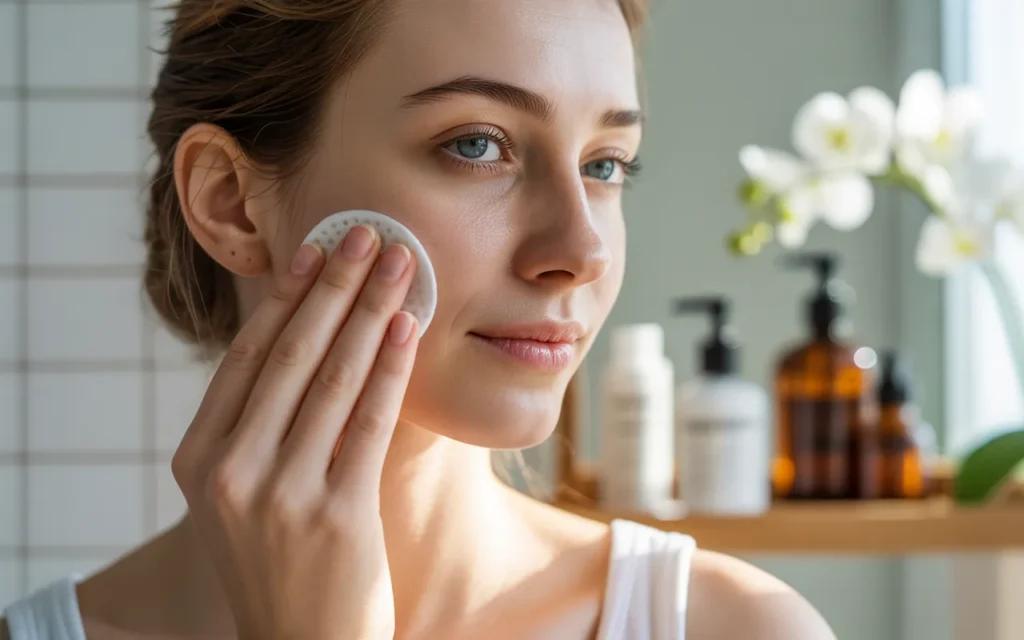
For a gentle yet effective option, micellar water is an excellent choice for most skin types. It contains tiny oil molecules called micelles that act like magnets, lifting away makeup and dirt without stripping your skin’s natural oils. For more resilient or heavy makeup, consider a cleansing oil or balm.
These products work by melting makeup on contact, allowing it to be wiped away effortlessly without harsh scrubbing.
Always be exceptionally gentle around the delicate eye area. The skin here is thin and more susceptible to fine lines from tugging and pulling.
A great technique is to soak a cotton pad with your remover, hold it over your closed eye for about 15-20 seconds to dissolve the makeup, and then gently wipe it away.
Must-Read Skincare Routine Guides for Better Results
If you want to build a skincare routine that actually works, understanding different routine formats is just as important as following the essential steps. These guides will help you fine-tune your routine based on time, skin needs, and daily habits:
- Learn the fundamentals with this basic skincare routine if you’re keeping things simple
- Follow a consistent daily skincare routine to maintain long-term skin health
- Discover the correct skincare routine order so every product works effectively
- Understand all detailed skincare routine steps for maximum benefits
👉 These resources complement the essential skincare steps and help you avoid common routine mistakes.
Step 2: Cleanse with a Gentle Face Wash
With your makeup gone, it’s time for the true cleanse. This step is the cornerstone of any effective skincare routine.
A quality cleanser works to remove the sweat, excess oil, bacteria, pollution particles, and dead skin cells that accumulate on your skin throughout the day and night. Proper cleansing prevents pore blockages and prepares your skin to absorb the products that follow.
The key is selecting a cleanser that is well-suited to your specific skin type. If your skin tends to be dry or sensitive, a cream, milk, or oil-based cleanser is your best bet.
These hydrating formulas typically don’t lather much but effectively clean the skin while leaving it feeling soft and nourished, never tight or stripped.
Conversely, if you have oily or acne-prone skin, a gel or light foaming cleanser is often more suitable. These formulations are designed to cut through excess sebum and deeply cleanse pores.
However, it’s crucial to avoid cleansers that are overly harsh. If your skin feels “squeaky clean” after washing, it’s a sign that you have stripped away its protective moisture barrier, which can lead to irritation and even more oil production.
For an effective cleanse, take your time. Massage the cleanser into your damp skin for at least a full 60 seconds.
This duration gives the active ingredients in the formula enough time to work their magic. Be sure to extend the cleansing process down to your neck and along your jawline, as these areas collect just as much dirt and oil.

How Essential Steps Fit Into Morning & Night Routines
While essential skincare steps stay mostly the same, how and when you use them can change between morning and night. To get the best results, explore these routine-specific guides:
- Start your day right with a focused morning skincare routine
- Repair and nourish your skin using a proper night skincare routine
- Learn how to balance products in a combined morning and night skincare routine
Understanding these variations ensures the essential steps you follow are aligned with your skin’s natural cycle.
Step 3: Exfoliate to Reveal Fresh Skin
Exfoliation is the transformative step in a skincare routine that can take your complexion from simply clean to truly radiant.
Our skin is constantly regenerating, and as new cells are formed, old, dead ones accumulate on the surface.
This buildup can make your skin look dull, uneven, and tired, while also acting as a barrier that prevents your other skincare products from absorbing effectively.
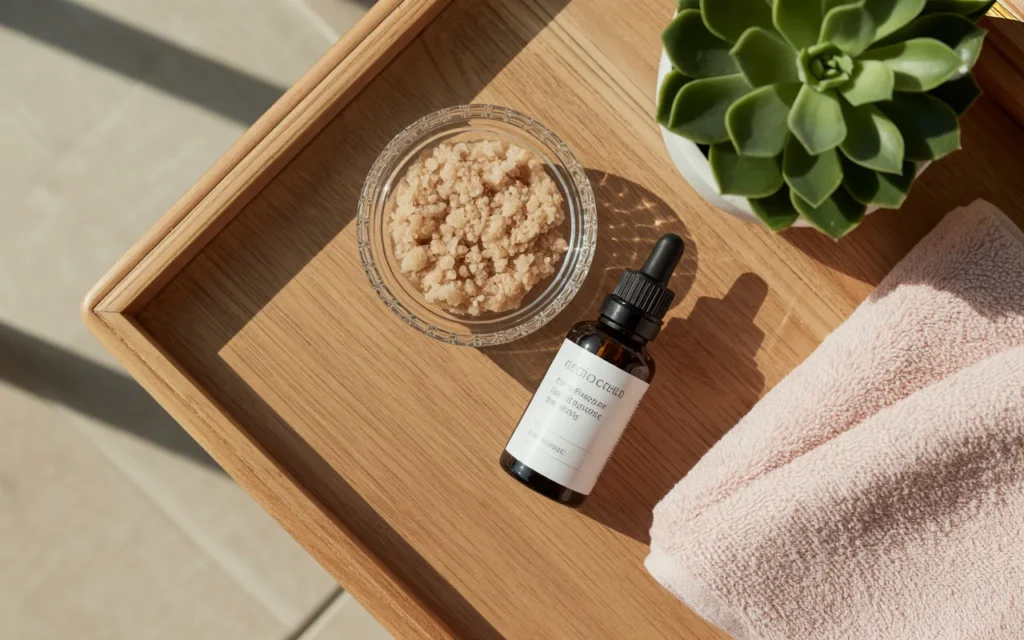
There are two primary methods of exfoliation: physical and chemical. Physical exfoliants utilize small, granular particles (like sugar, salt, or jojoba beads) or a tool (like a brush or cloth) to manually scrub away the dead skin cells.
While this can feel satisfying, it’s easy to be too aggressive and cause micro-tears in the skin, leading to irritation.
Chemical exfoliants, on the other hand, use gentle acids—most commonly Alpha Hydroxy Acids (AHAs) like glycolic and lactic acid, or Beta Hydroxy Acids (BHAs) like salicylic acid—to dissolve the “glue” that holds dead skin cells together.
For many people, especially beginners, a well-formulated chemical exfoliant is a safer and more uniformly effective option than a physical scrub.
It’s a common misconception that you need to exfoliate daily. In reality, over-exfoliating is a major cause of skin barrier damage, leading to redness, sensitivity, and breakouts.
Start by exfoliating just one or two times per week. Pay close attention to how your skin responds and adjust the frequency accordingly.
Not everyone needs a complicated routine. If you’re just starting out or prefer minimal skincare, these guides help you apply essential steps without overdoing it:
- A complete beginner skincare routine for first-time users
- A no-stress simple skincare routine for busy lifestyles
- Find the most effective best skincare routine based on real results
- Save money while staying consistent with an affordable skincare routine
These routines help you apply the essential steps consistently without overwhelming your skin.
Step 4: Use a Toner to Balance pH
The role of toner has evolved significantly over the years. Gone are the days of harsh, alcohol-laden astringents that left your face stinging.
Today’s toners are a gentle, supportive step in your skincare routine designed primarily to rebalance your skin’s pH level after cleansing and provide an initial layer of hydration.
Our skin’s natural state is slightly acidic, with a pH of around 5.5. This “acid mantle” is a crucial part of its protective barrier.
Tap water and some cleansers can be more alkaline, temporarily disrupting this balance. A toner helps to quickly restore the skin to its optimal pH, making it healthier and better equipped to defend against bacteria and environmental damage.
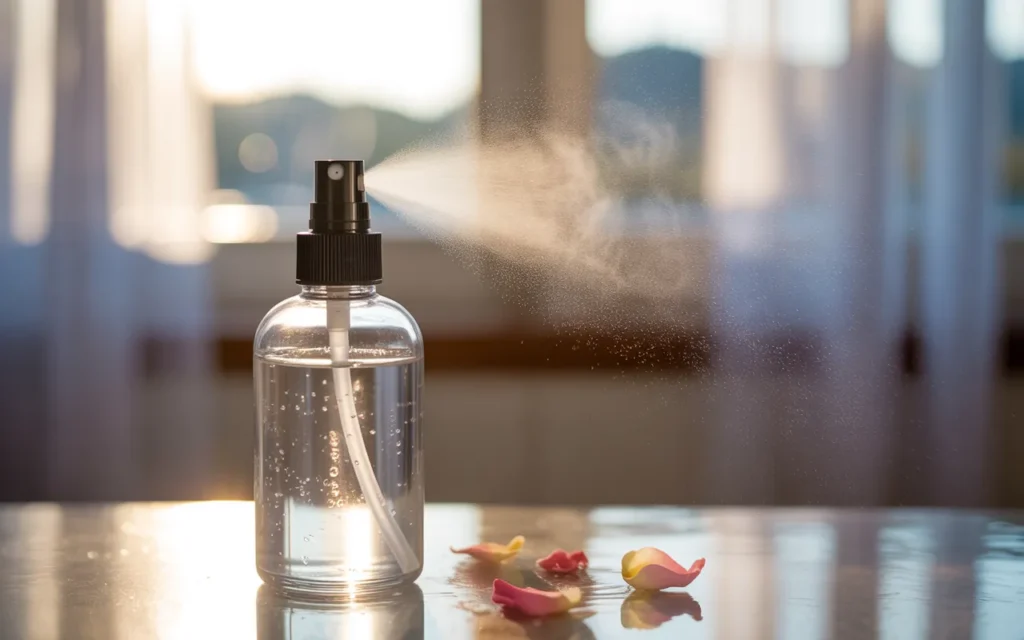
Hydrating toners are universally beneficial and an excellent choice for virtually all skin types. Look for formulas rich in soothing and moisturizing ingredients like rosewater, chamomile, glycerin, or hyaluronic acid.
Applying a toner to damp skin acts like priming a canvas; it creates a hydrated surface that helps the subsequent serums and moisturizers in your routine penetrate more deeply and work more effectively.
There are a couple of ways to apply toner. You can saturate a cotton pad and gently sweep it over your face and neck for a final cleansing sweep.
Alternatively, you can pour a small amount into your clean palms and press it directly into your skin for maximum absorption and hydration. A good toner should always feel refreshing, never drying or irritating.
Step 5: Apply an Essence for Deep Hydration
Popularized by Korean beauty rituals, an essence is a potent hydration-focused step that can be a true game-changer in your skincare routine.
An essence typically has a unique consistency—thinner and more watery than a serum, but with more substance than a toner. Its primary function is to drench the skin with moisture and prepare it for the treatment steps that follow.
Imagine your skin is like a dry kitchen sponge. If you try to apply a thick cream to it, the cream mostly sits on the surface.
However, if you dampen the sponge first, it becomes pliable and readily soaks up whatever you apply next. An essence serves as that initial “dampening” step for your skin, creating a pathway for deeper product absorption.
Essences are often formulated with a high concentration of active ingredients, such as fermented extracts, vitamins, antioxidants, and minerals, which support skin health and cell turnover.
Due to their lightweight, watery texture, these beneficial ingredients can penetrate quickly and deeply into the skin.
Application is key to getting the most out of your essence. Pour a few drops into the palms of your hands, then gently press and pat the product onto your face and neck.
Avoid rubbing, as the pressing motion is thought to enhance absorption and stimulate circulation. This quick step adds a visible layer of plumpness and dewiness to the complexion.

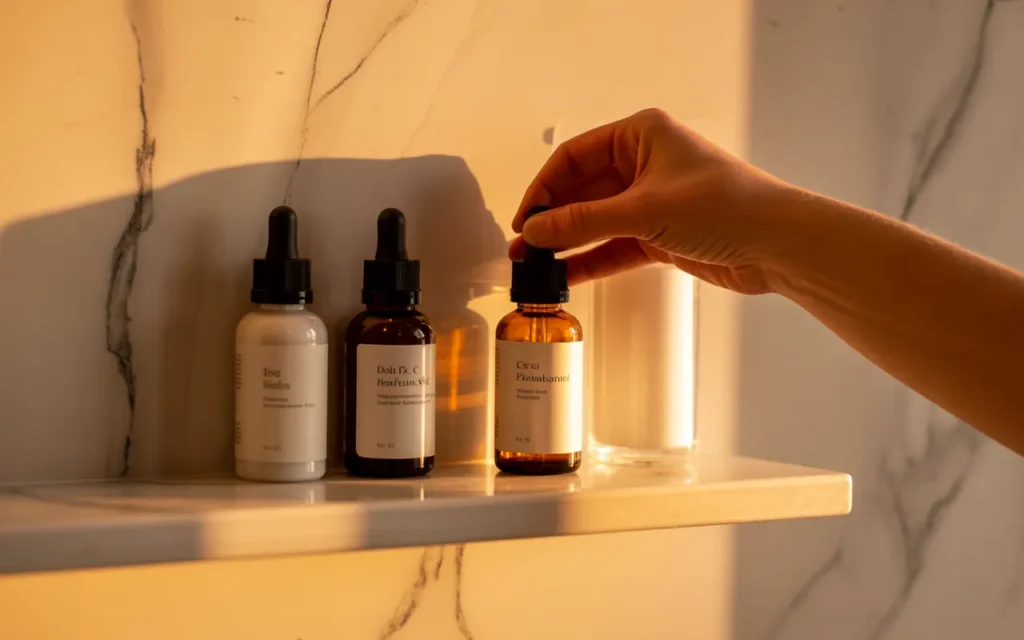
Step 6: Target Issues with Serums
Serums are the specialized problem-solvers in your skincare routine. These are highly concentrated formulas containing potent active ingredients designed to address specific skin concerns, such as fine lines, dark spots, uneven texture, or dehydration.
The molecules in serums are much smaller than those in moisturizers, allowing them to penetrate deeper into the skin’s layers to deliver powerful results.
The type of serum you choose should directly correlate with your skin goals. To brighten a dull complexion and protect against environmental damage, a Vitamin C serum is an excellent choice for your morning routine. It’s a powerful antioxidant that helps fade hyperpigmentation and boost collagen.
For anti-aging concerns, serums containing retinol (a Vitamin A derivative) or peptides are considered the gold standard.
They work to accelerate cell turnover and stimulate collagen production, which helps to smooth texture and reduce the appearance of wrinkles.
If your main goal is hydration, a Hyaluronic Acid serum is a must-have, as it can hold up to 1000 times its weight in water, drawing moisture into the skin.
You can layer different serums, but it’s best to follow the “thinnest to thickest” rule of thumb for texture.
Always allow each serum to absorb for a minute or two before applying the next. To avoid overwhelming your skin, it’s often best to stick with one or two targeted serums per routine.
Step 7: Indulge in a Sheet Mask
While not a mandatory daily step, incorporating a sheet mask into your skincare routine one to three times a week is a fantastic way to give your skin an intensive boost.
A sheet mask is typically a thin sheet of cotton or hydrogel saturated in a nutrient-rich serum. When placed on the face, it creates an occlusive barrier.
This barrier physically prevents the beneficial ingredients from evaporating into the air. Instead, it forces the serum to be absorbed by your skin, delivering a highly concentrated dose of hydration and active ingredients in a short period, usually 15 to 20 minutes.
Beyond the skin benefits, it’s a perfect excuse to pause, relax, and practice a moment of mindfulness.
Select a mask based on your skin’s needs on that particular day. Is your skin feeling irritated or red? A mask with soothing ingredients like aloe vera, centella asiatica, or cucumber can provide immediate relief.
Feeling congested or oily? A charcoal or clay-infused sheet mask can help clarify pores. Want an extra boost of glow? Look for one with niacinamide or Vitamin C.
One of the most important tips is what to do after you remove the mask. Never wash your face afterward! The leftover essence on your skin is pure, concentrated goodness.
Gently pat the excess serum into your skin, and don’t forget to massage any remaining product down your neck and onto your chest.

Step 8: Apply a Dedicated Eye Cream
The skin around your eyes is structurally different from the skin on the rest of your face. It is significantly thinner, more fragile, and lacks the same density of oil glands, which makes it particularly prone to dryness and the first area to show signs of aging like fine lines and crow’s feet.
For this reason, a dedicated eye cream is an essential preventative and corrective step in a comprehensive skincare routine.
You might wonder if you can just use your regular face moisturizer around your eyes. While you can, it’s not always ideal.
Face moisturizers can sometimes be too rich or contain active ingredients at concentrations that are too high for the delicate eye area, potentially causing irritation or milia (tiny white bumps).
Eye creams are specifically formulated to be lighter in texture and address concerns unique to the eye area, such as puffiness, dark circles, and loss of firmness.
When selecting an eye cream, look for targeted ingredients. Caffeine is excellent for constricting blood vessels to reduce puffiness.
Peptides and retinol can help boost collagen to address fine lines. Niacinamide and Vitamin C can help brighten dark circles.
For an extra soothing effect, keep your eye cream in the refrigerator—the cold temperature combined with a metal applicator can feel amazing on tired, puffy eyes.
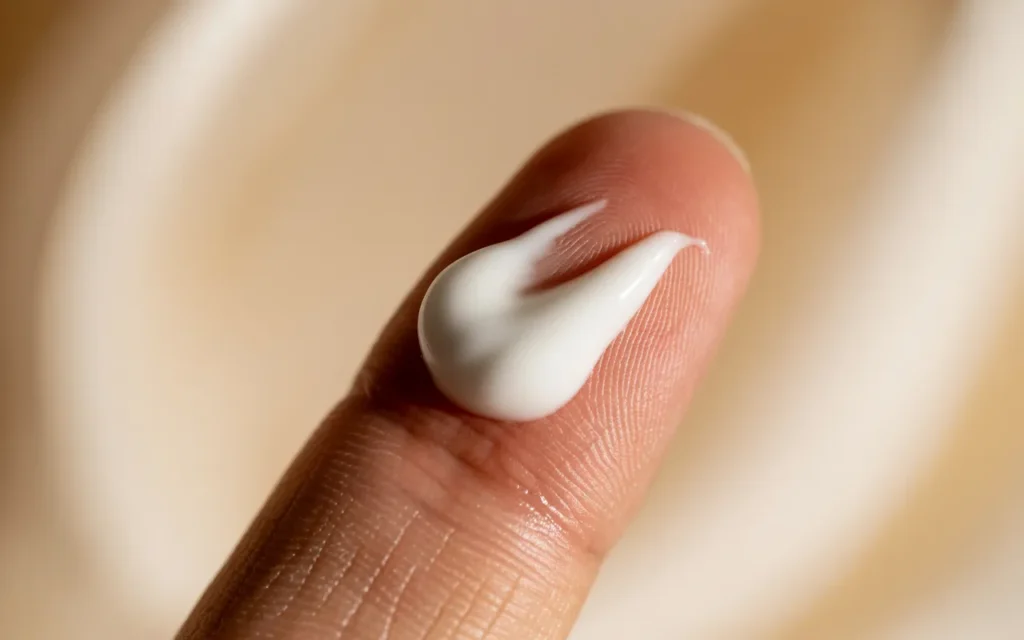
Application technique matters. Use your ring finger, as it naturally applies the least amount of pressure.
Dispense a pea-sized amount for both eyes, and gently tap—never rub or drag—the product along the orbital bone, from the inner to the outer corner.
Step 9: Moisturize to Lock Everything In
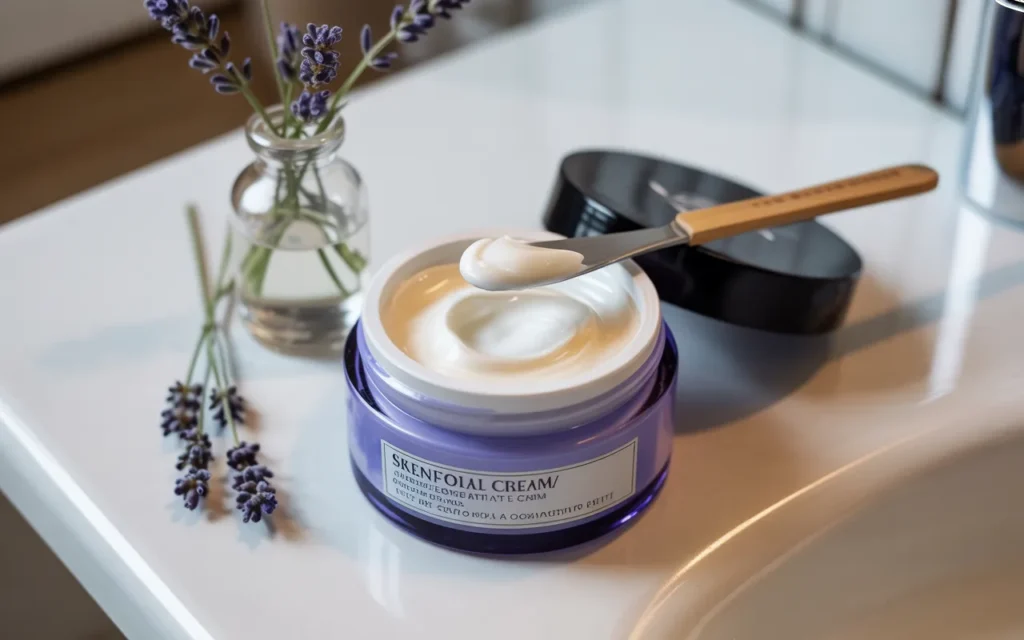
Moisturizer is a non-negotiable step for every single skin type, including oily and acne-prone skin.
Its primary purpose in your skincare routine is to hydrate the skin and, just as importantly, to lock in all the hydrating layers and potent serums you’ve already applied.
It creates a protective barrier on the skin’s surface that prevents transepidermal water loss (the evaporation of moisture from your skin into the air).
The texture and formulation of your moisturizer should match your skin’s needs. If you have dry skin, look for richer creams that contain emollients and occlusives like ceramides, shea butter, or squalane. These ingredients are brilliant for repairing the skin barrier and sealing in moisture.
If you have oily or combination skin, you’ll likely prefer a lightweight lotion, gel, or water-based cream.
These formulas provide necessary hydration without feeling heavy, greasy, or clogging pores. Don’t make the mistake of skipping moisturizer; dehydrated skin can actually overcompensate by producing even more oil.
Your skincare doesn’t stop at your chin. The neck and décolletage (your upper chest area) are often neglected and can show signs of aging just as quickly, if not faster, than your face. When applying your moisturizer, always extend it down your neck and chest.
Use gentle, upward strokes to massage the cream in, which helps to encourage circulation and provides a subtle lifting effect.
Step 10: Seal with a Face Oil (Optional)
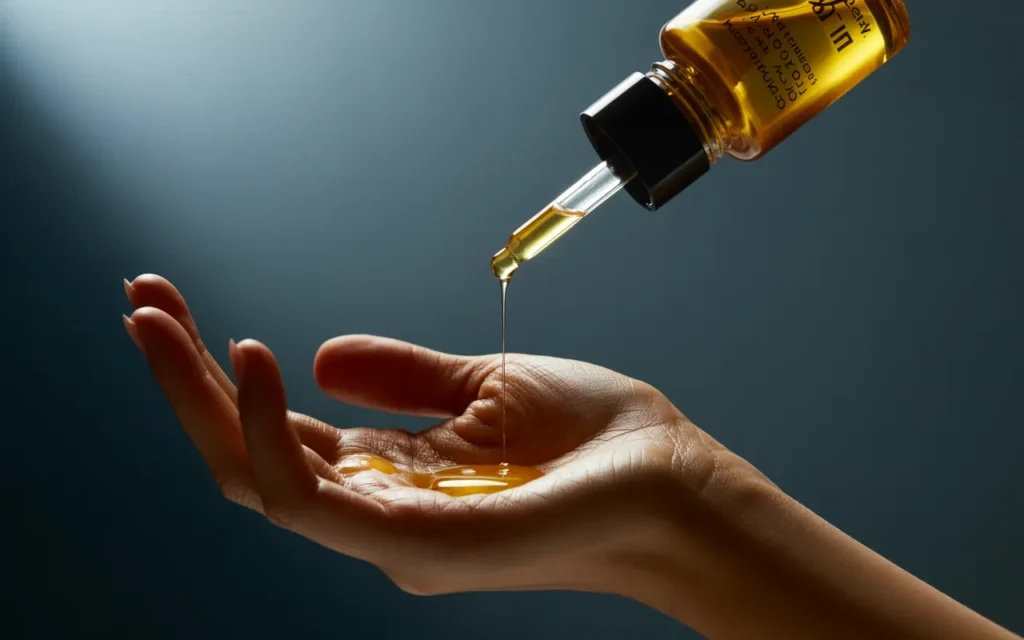
For those seeking an extra layer of nourishment and a radiant glow, a face oil can be a luxurious and highly effective final step in an evening skincare routine, particularly for those with dry, dehydrated, or mature skin.
While moisturizers are emulsions containing both water and oil components, face oils are purely oil-based lipids. Their main function is to act as an occlusive, forming the ultimate seal over your skin.
A crucial rule of product layering is that oil always goes last (before sunscreen in the AM). Because oil and water do not mix, and oil is heavier than the water-based ingredients in your serums and moisturizer, it must be applied on top.
If you were to apply an oil first, it would create an impenetrable barrier, preventing your other products from reaching the skin.
There are many wonderful plant-based oils that offer unique benefits. Rosehip oil is rich in vitamins and fantastic for brightening and repairing the skin. Jojoba oil is structurally similar to our skin’s natural sebum, making it great for balancing oil production.
Argan and marula oils are packed with antioxidants and fatty acids that deeply nourish the skin.
A little goes a long way. You only need two to three drops for your entire face. Warm the oil between your palms and then gently press it onto your skin.
This “stamping” motion ensures an even layer without disturbing the products underneath. The result is a beautiful, dewy finish and skin that feels soft and protected.
Step 11: Protect with Sunscreen (Morning Only)
If you were to choose only one single step to commit to for the rest of your life, this should be it.
Sunscreen is, without a doubt, the most important anti-aging and skin health product you can use. A morning skincare routine is fundamentally incomplete without it.
Up to 80% of the visible signs of aging—wrinkles, fine lines, dark spots, and loss of elasticity—are caused by unprotected sun exposure.
It is absolutely essential to wear sunscreen every single day. This applies regardless of the weather—UV rays penetrate clouds with ease. It also applies if you spend most of your day indoors, as UVA rays (the “aging” rays) can pass through window glass.
Look for a sunscreen that is labeled “broad-spectrum,” as this indicates it protects against both UVA and UVB (the “burning”) rays.
The minimum recommended SPF is 30, but SPF 50 provides even better protection. Reapplication is also key, especially if you are sweating or swimming.
The good news is that sunscreen formulations have improved dramatically. You can now find incredibly elegant, lightweight, and invisible formulas that feel like a beautiful moisturizer rather than a thick, greasy paste.
There are options for every skin type and tone. Make sunscreen the absolute final step of your morning routine, applied generously after your moisturizer and before any makeup.

Step 12: Finish with Lip Care
The final touch in a complete skincare routine is caring for your lips. The skin on your lips is very thin and lacks oil glands, making it extremely susceptible to dryness and chapping.
Neglected lips can become painful and flaky, which can detract from an otherwise healthy-looking complexion. A little attention ensures your smile stays soft, smooth, and comfortable.
If your lips are flaky, you can start with a gentle lip scrub. You can purchase a pre-made one or easily create your own by mixing a little sugar with a drop of honey or coconut oil.
Using your finger, gently rub the mixture in small circles over your lips to buff away any dead skin, then wipe clean.
Immediately after exfoliating, or just as a daily practice, follow up with a hydrating lip balm.
Look for nourishing ingredients like beeswax, shea butter, lanolin, or vitamin E, which are effective at creating a protective barrier and locking in moisture.
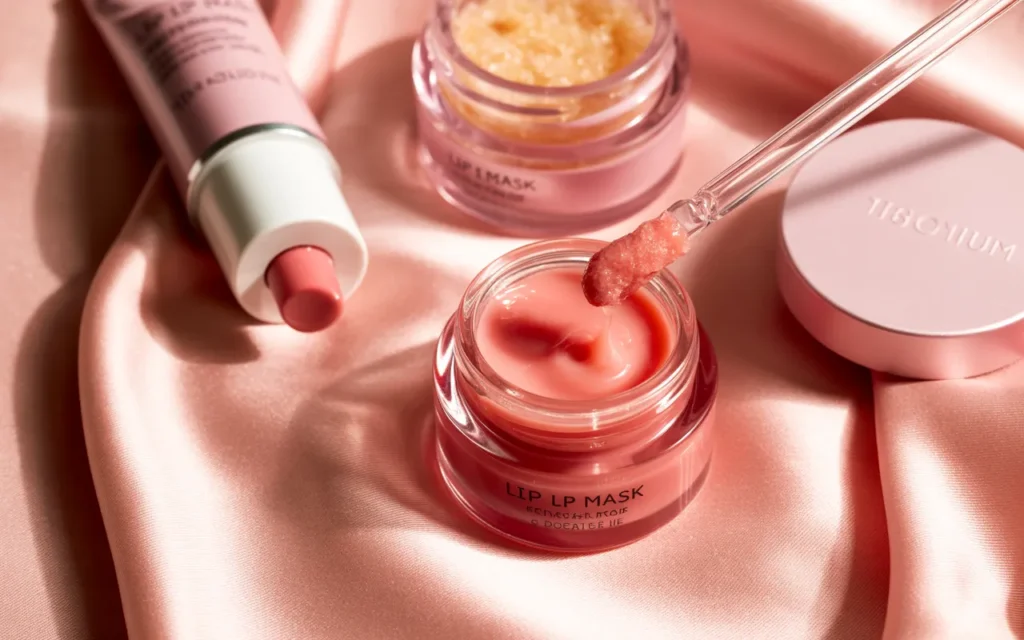
For an intensive overnight treatment, consider using a dedicated lip sleeping mask. These products are much thicker and more occlusive than a standard daily balm.
They work while you sleep to deeply repair and hydrate your lips, so you wake up with a perfectly smooth and prepped pout, ready for the day.
Conclusion: Consistency is the Key to Success
Navigating the world of skincare and building the perfect skincare routine is a personal journey, not a sprint. There’s no need to feel pressured to incorporate all 12 of these steps at once.
The best approach is to start with a solid foundation—the non-negotiable trio of cleansing, moisturizing, and protecting with sunscreen.
Once you have that down, you can slowly and thoughtfully introduce other steps like serums or exfoliants as you become more comfortable and learn what your skin loves.
Ultimately, the most powerful ingredient in any skincare regimen is consistency. You will not see lasting results from using a product once or twice.
It is the commitment to your daily and weekly rituals that will compound over time, yielding healthy, resilient, and glowing skin.
Listen to your skin, be patient with the process, and enjoy these small moments of self-care you carve out for yourself each day.