There is something deeply satisfying about knowing exactly what you are putting on your skin. In a world full of unpronounceable ingredients and expensive packaging, turning to your kitchen cabinet for beauty solutions feels like a breath of fresh air. It is empowering, cost-effective, and often surprisingly effective.
When we talk about Homemade Beauty Tips For Natural Skincare Routines, we aren’t just talking about mashing up an avocado and hoping for the best.
We are talking about harnessing the potent properties of natural ingredients—like raw honey, oatmeal, yogurt, and essential oils—to create treatments that rival high-end spa products.
Whether you have sensitive skin that reacts to synthetic fragrances or you just want to live a more eco-conscious lifestyle, DIY skincare is a fantastic path to explore. It allows you to customize every single step of your routine to your specific needs. Dry patches? Add more oil. Dullness? Add a natural exfoliant. The control is completely in your hands.
In this comprehensive guide, we are going to walk you through everything you need to know to start your natural beauty journey.
We will cover safety tips, ingredient spotlights, and recipes for every step of your regimen.
Get ready to transform your pantry into your personal beauty lab with these essential Homemade Beauty Tips For Natural Skincare Routines.
The Benefits of Going Natural
Why should you consider swapping your store-bought bottles for homemade concoctions? The benefits go far beyond just saving money.
First, there is the purity factor. Commercial products often contain preservatives like parabens to give them a shelf life of several years. When you make fresh skincare at home, you eliminate the need for these additives. You are feeding your skin fresh, active nutrients.
Second, it is sustainable. By reusing glass jars and bottles, you drastically reduce your plastic waste. Plus, you avoid the carbon footprint associated with shipping products around the world.
Finally, it connects you to a slower, more intentional way of living. Mixing a face mask on a Sunday evening becomes a ritual of self-care, rather than just another chore.
Embracing Homemade Beauty Tips For Natural Skincare Routines is about slowing down and treating your body with kindness.
Safety First: Essential Guidelines for DIY Skincare
Before you start whipping up potions, there are some critical safety rules to follow. Natural doesn’t always mean harmless. Essential oils are powerful, and even food-grade ingredients can cause reactions.
Patch Testing is Mandatory
Just because you can eat an ingredient doesn’t mean your skin will love it. Always do a patch test before applying anything to your face. Apply a small amount of the mixture to the inside of your wrist or behind your ear. Wait 24 hours to see if there is any redness, itching, or irritation.
Shelf Life Awareness
Without preservatives, homemade products spoil quickly. Bacteria and mold can grow in water-based mixtures (like toners or lotions) within a few days if left out.
- Dry mixtures (scrubs, powders): Can last a few months if kept dry.
- Oil-based mixtures (balms, serums): Can last up to 6 months.
- Water-based mixtures (toners, masks with fresh food): Should be used immediately or stored in the fridge for no more than 3–5 days.
Cleanliness is Key
Treat your beauty lab like a kitchen. Sterilize your jars and spoons with boiling water or rubbing alcohol. Wash your hands thoroughly before touching any ingredients. Introducing bacteria into your homemade cream is the fastest way to spoil it—and potentially cause an infection.
Natural Cleansers: The Oil Cleansing Method
One of the most popular Homemade Beauty Tips For Natural Skincare Routines is the oil cleansing method. It sounds counterintuitive to wash your face with oil, especially if you have oily skin, but the science holds up: oil dissolves oil.
Unlike harsh foaming cleansers that strip your skin barrier, oil cleansing gently lifts away sebum, makeup, and dirt while keeping your skin’s pH balanced.
How to Create Your Blend
You need a “carrier oil” and, optionally, a “astringent oil” depending on your skin type.
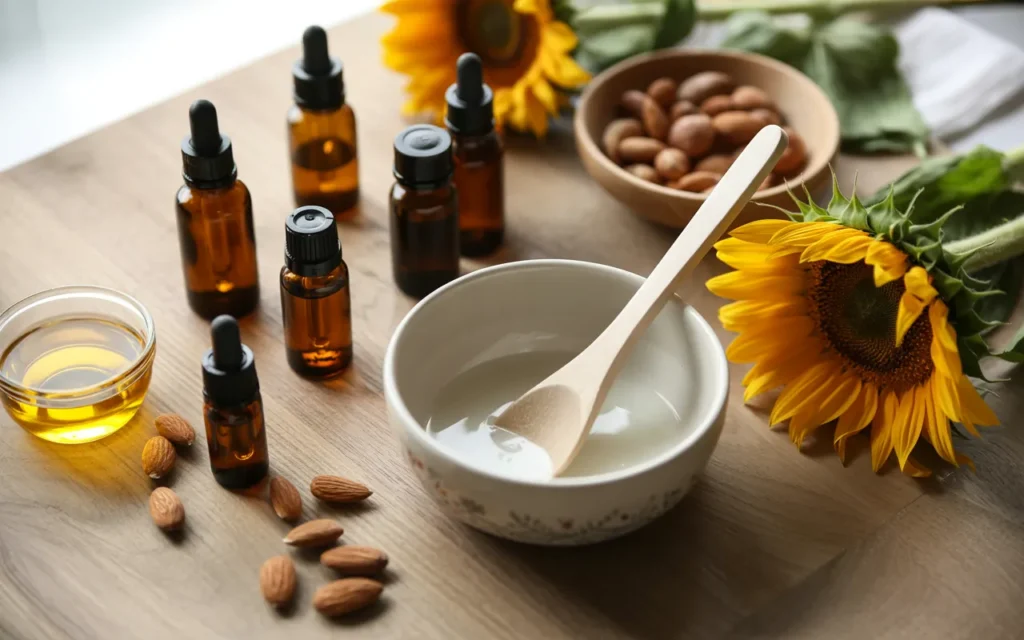
- Base Oils (Nourishing): Jojoba oil, Sunflower oil, Sweet Almond oil, Apricot Kernel oil.
- Astringent Oils (Deep Cleaning): Castor oil, Hazelnut oil.
For Dry Skin: 100% Olive oil or Avocado oil.
For Normal Skin: 20% Castor oil + 80% Sunflower oil.
For Oily/Acne-Prone Skin: 30% Castor oil + 70% Sunflower oil.
The Ritual
Massage a quarter-sized amount of your blend into your dry face for at least a minute. This massage helps drain lymph nodes and relaxes facial muscles.
Then, soak a washcloth in warm (not hot) water, wring it out, and drape it over your face to steam your pores. Gently wipe the oil away. Your skin will feel clean but incredibly soft.
Homemade Toners for Balancing pH
After cleansing, a toner helps to reset your skin’s pH and prepare it for moisture. Commercial toners often contain alcohol, which is drying. Homemade versions are gentle and refreshing.
Apple Cider Vinegar (ACV) Toner
This is a classic for a reason. ACV contains malic acid, which is an alpha hydroxy acid (AHA). It gently exfoliates, combats bacteria (great for acne), and restores acidity to the skin mantle.
The Recipe:
- 1 part Raw, Unfiltered Apple Cider Vinegar (with the “mother”)
- 4 parts Distilled Water (increase water if you have sensitive skin)
- Optional: A few drops of Lavender essential oil for smell.
Mix in a glass bottle. Apply with a cotton pad after cleansing. The smell dissipates quickly, we promise!
Rose Water and Glycerin Mist
For dry or mature skin, ACV might be too strong. Rose water is anti-inflammatory and soothing. Glycerin is a humectant that pulls moisture into the skin.
The Recipe:
- ½ cup Pure Rose Water
- 1 teaspoon Vegetable Glycerin
Combine in a spray bottle. Shake well before use. This makes a fantastic mid-day refresher or makeup setting spray as well. Including this in your list of Homemade Beauty Tips For Natural Skincare Routines guarantees a hydration boost.
Exfoliation: Sugar and Salt Scrubs
Exfoliation is key to glowing skin, but you don’t need expensive microbeads (which are bad for the ocean anyway). Your pantry holds the perfect gritty textures to slough off dead skin cells.
Brown Sugar Face Scrub
Sugar is a natural source of glycolic acid. Brown sugar is softer than white sugar, making it safer for the delicate skin on your face.
The Recipe:
- 1 tablespoon Brown Sugar
- 1 tablespoon Honey (Manuka honey is best for antibacterial properties)
- 1 teaspoon Olive Oil or Coconut Oil
Mix into a paste. Gently massage onto your face in circular motions, avoiding the eyes. Rinse with warm water. The honey acts as a humectant, so your face won’t feel dry afterwards.
Sea Salt Body Polish
Salt is coarser than sugar, so it is better suited for the body, especially tough areas like elbows, knees, and heels. Salt is also rich in minerals that can help reduce inflammation.
The Recipe:
- ½ cup Fine Sea Salt
- ½ cup Almond Oil or Melted Coconut Oil
- 10 drops Essential Oil (Grapefruit or Peppermint are great for circulation)
Use this in the shower to scrub your legs and arms. Be careful, as the oil can make the shower floor slippery! This simple scrub is a staple in many effective Homemade Beauty Tips For Natural Skincare Routines.
The Power of Face Masks
This is where you can really get creative. Fresh food masks are potent because the enzymes are still active. Just remember, these are for immediate use—don’t save leftovers!
The Brightening Turmeric Mask
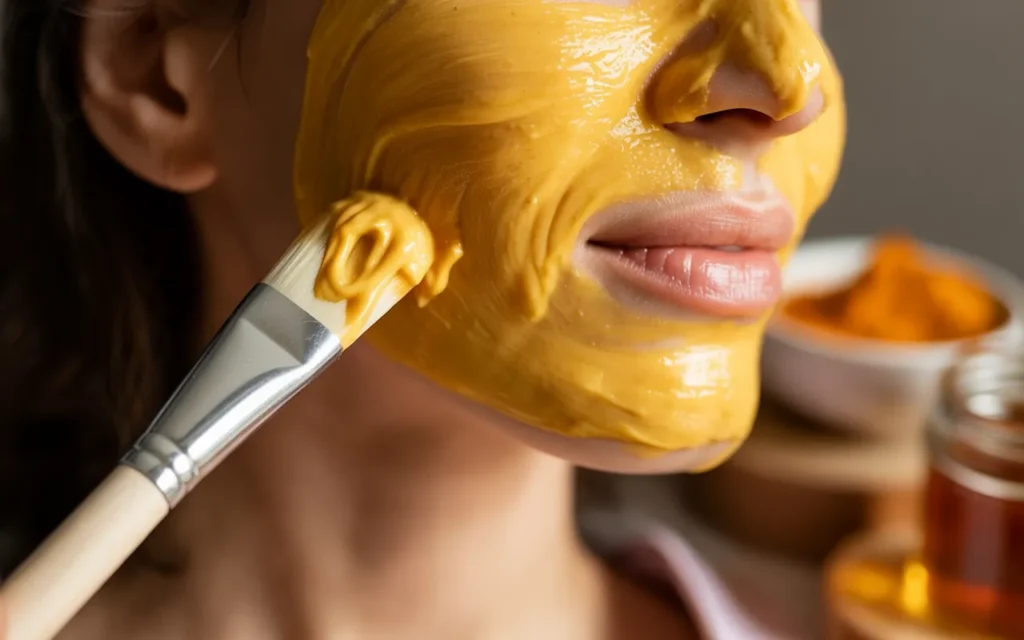
Turmeric is a powerhouse anti-inflammatory spice used for centuries in Ayurveda. It helps with redness, acne scarring, and general dullness.
The Recipe:
- 1 teaspoon Turmeric Powder
- 1 tablespoon Plain Greek Yogurt (lactic acid exfoliates gently)
- 1 teaspoon Honey
Mix well. Apply to your face and leave for 10–15 minutes.
Warning: Turmeric stains! Use an old towel and don’t wear your favorite white t-shirt. If it leaves a slight yellow tint on your skin, use your oil cleanser to remove it.
The Soothing Oatmeal Mask
If your skin is irritated, sunburned, or just angry, oatmeal is the answer. It contains compounds called avenanthramides that reduce itching and inflammation.
The Recipe:
- 2 tablespoons Ground Oats (grind regular oats in a blender)
- 1 tablespoon Warm Water or Milk
- 1 teaspoon Honey
Let the oats soak up the liquid until it forms a paste. Apply and let sit for 20 minutes. Rinse gently. This is one of the safest Homemade Beauty Tips For Natural Skincare Routines for sensitive skin types.
Natural Moisturizers and Serums
Moisturizing is about trapping water in the skin. While water-based lotions are hard to make at home without preservatives, facial oils and body butters are easy and shelf-stable.
Whipped Shea Butter Cream
Shea butter is incredibly rich in vitamins A and E. It creates a protective barrier that locks moisture in for hours. Whipping it makes it fluffy and easier to apply.
The Recipe:
- ½ cup Raw Shea Butter
- ¼ cup Coconut Oil (solid state)
- ¼ cup Liquid Oil (Jojoba or Almond)
Melt the shea butter and coconut oil in a double boiler. Remove from heat and stir in the liquid oil. Place the bowl in the fridge until it starts to solidify (about 30-40 minutes). Use a hand mixer to whip it until it looks like frosting. Store in a glass jar.
DIY Anti-Aging Serum
Serums are concentrated treatments. Making your own allows you to use high-quality oils without the markup.
The Recipe:
- 1 tablespoon Rosehip Seed Oil (natural retinol alternative)
- 1 tablespoon Pomegranate Seed Oil (strong antioxidant)
- 1 tablespoon Jojoba Oil (carrier)
- 5 drops Frankincense Essential Oil (skin tightening)
Combine in a dark glass dropper bottle. Use 3–4 drops every night. This blend is rich in essential fatty acids that repair the skin barrier while you sleep.
Specialized Treatments: Eyes and Lips
Don’t forget the delicate areas! These spots often show aging first and benefit greatly from Homemade Beauty Tips For Natural Skincare Routines.
Coffee Eye Serum for Puffiness
Caffeine constricts blood vessels, helping to reduce dark circles and under-eye bags.
The Recipe:
- ¼ cup Ground Coffee
- ½ cup Sweet Almond Oil
Infuse the oil by putting coffee and oil in a jar. Let it sit for a week, shaking daily. Strain through a cheesecloth. Gently pat a drop under your eyes in the morning.
Honey and Sugar Lip Scrub
Chapped lips are uncomfortable and unsightly. This tasty scrub fixes them instantly.
The Recipe:
- 1 teaspoon Sugar
- 1 teaspoon Honey
- Drop of Peppermint Oil (optional for plumping effect)
Rub on lips gently and rinse (or lick) off. Follow immediately with a lip balm or plain coconut oil.
Understanding Essential Oils
Essential oils are the concentrated essence of plants. They add fragrance and therapeutic benefits to your Homemade Beauty Tips For Natural Skincare Routines. However, they must be used with respect.
Dilution is Non-Negotiable
Never apply essential oils directly to the skin (neat). They must be diluted in a carrier oil. A safe dilution for facial products is usually 1% or less (about 3–6 drops per ounce of carrier oil).
Best Oils for Skincare
- Tea Tree: Antibacterial. Excellent for spot treating acne (always dilute!).
- Lavender: Soothing and healing. Good for burns and irritation.
- Frankincense: Rejuvenating. Great for mature skin.
- Chamomile: Calming. Perfect for sensitive or red skin.
- Geranium: Balancing. Helps regulate oil production.
Avoid “hot” oils like cinnamon, oregano, or clove on the face, as they can cause burns. Also, be aware that citrus oils (lemon, lime, bergamot) can make your skin photosensitive, meaning you burn easier in the sun. Use those only at night.
Building Your Routine
Now that you have the recipes, how do you put them together? Here is a sample regimen using these Homemade Beauty Tips For Natural Skincare Routines.
Morning Routine
- Cleanse: Splash with cool water or use a tiny bit of Honey as a face wash (yes, just honey on damp skin!).
- Tone: Sprritz with Rose Water and Glycerin Mist.
- Treat: Apply Coffee Eye Serum if puffy.
- Moisturize: Use 2–3 drops of Jojoba oil.
- Protect: Apply a mineral sunscreen (this is one thing we recommend buying, as DIY sunscreen is very difficult to get right and verify SPF).
Evening Routine
- Cleanse: Use the Oil Cleansing Method to remove makeup and grime.
- Exfoliate: (2x week): Use the Brown Sugar Scrub.
- Mask: (1x week): Apply the Turmeric or Oatmeal mask.
- Tone: Swipe with Apple Cider Vinegar Toner.
- Moisturize: Apply your DIY Anti-Aging Serum or Whipped Shea Butter.
Troubleshooting Common Issues
As you transition to natural skincare, your skin might go through a “purging” phase, especially if you switch to oil cleansing. This is normal as impurities are drawn out.
If You Break Out
Check your oils. Coconut oil is highly comedogenic (pore-clogging) for some people. If you break out, switch to non-comedogenic oils like Hemp Seed oil or Argan oil.
If You Feel Dry
You might need more occlusives. Oils are great, but sometimes you need a butter (like Shea or Mango) to really seal it in. Also, ensure you are drinking enough water.
If You React
Stop everything. Go back to basics—just water and maybe a very simple oil like Jojoba. Reintroduce ingredients one by one to find the culprit.
Conclusion: Empower Your Beauty
Embarking on a journey of natural skincare is about more than just great skin; it is about autonomy. It is about understanding that you don’t need a chemical degree to care for your body.
By utilizing these Homemade Beauty Tips For Natural Skincare Routines, you are reducing your toxic load, saving money, and likely seeing better results than ever before. You are learning to listen to your skin—to feed it moisture when it’s dry, to soothe it when it’s inflamed, and to treat it with the respect it deserves.
Start small. Maybe mix up that brown sugar scrub this weekend or try the oil cleansing method tonight. You might find that the best beauty aisle isn’t at the department store—it’s right next to your spices. Here’s to glowing, natural, and healthy skin!