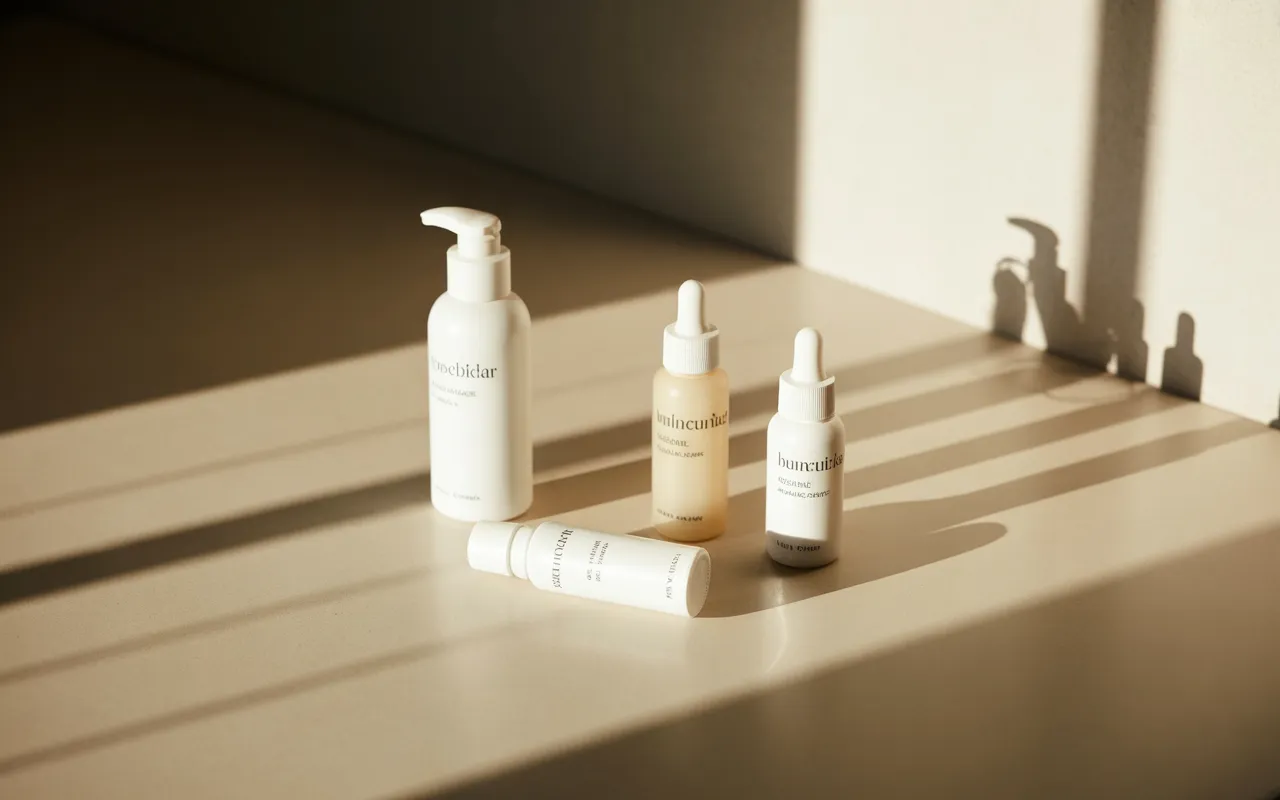
For years, I was a skincare snob. I didn’t mean to be, but the marketing worked on me. I believed that expensive packaging meant better ingredients. I thought that if a cream cost $80, it had to be doing something magical that a $15 tub from the bottom shelf of a pharmacy aisle couldn’t possibly achieve.
My vanity table was a shrine to high-end beauty. I had the French serums, the luxury department store moisturizers, and the boutique cleansers that smelled like a spa day. I told myself I was investing in my future face.
Then, life happened. My budget tightened unexpectedly, and suddenly, justifying a three-figure moisturizer felt irresponsible. I stared at my empty bottles and realized I had a choice: stop doing skincare altogether, or humble myself and walk into the drugstore.
I chose the latter. I went in with low expectations, assuming my skin would revolt or simply look lackluster. But three months later, I’m not just surprised—I’m a convert. It turns out, the secret to great skin isn’t locked behind a luxury price tag.
The Great Unlearning
The first thing I had to unlearn was the idea of “luxury experience.” High-end skincare is often about the sensorial journey—the heavy glass jar, the custom fragrance, the velvety texture. Drugstore products are utilitarian. They come in plastic tubes. They often smell like nothing, or faintly of clean laundry.
Walking down the aisles of my local pharmacy, I felt a strange mix of skepticism and liberation. I wasn’t being sold a lifestyle; I was just buying ingredients.
I decided to build a full routine using only accessible brands—the ones you can buy while picking up toothpaste and paper towels.
My basket included a hydrating cleanser, a vitamin C serum, a retinol cream, and a basic daily moisturizer. The total cost for all four items was less than the price of the single night cream I had just run out of.
Week 1: The Fear of “Cheap” Ingredients
I’ll admit, the first week was nerve-wracking. I had internalized the myth that cheap skincare is full of “fillers” and harsh chemicals. I waited for the breakout. I waited for the irritation.
It never came.
In fact, my skin seemed remarkably unbothered by the switch. My new cleanser, a simple hydrating wash from a brand dermatologists always recommend, removed my makeup just as well as my fancy balm. My face felt clean, soft, and not tight.
I realized that many drugstore skincare products are actually produced by massive global conglomerates. These companies have R&D budgets that dwarf boutique luxury brands.
They can afford to stabilize volatile ingredients like Vitamin C or Retinol just as well as the high-end guys—sometimes even better, because they are selling to millions of people and can’t afford a mass-scale lawsuit.
The Ingredients Don’t Know How Much You Paid
Here is the hard truth that hurts your wallet to hear: your skin cells do not have a concept of money. They have receptors.
A molecule of glycerin is a molecule of glycerin, whether it comes from a gold-plated jar or a pump bottle on sale for $9.99. Niacinamide works the same way regardless of the logo on the packaging.
As I continued my routine, I started researching the ingredient lists more closely. I found that my new $18 retinol serum had the exact same percentage of active ingredients as the $75 version I used to swear by. The delivery system was slightly different—maybe a little less “elegant” feeling on the skin—but the engine was the same.
By week four, I noticed my skin looked… exactly the same as it did when I was spending triple the money. Actually, in some ways, it looked better. Because the products were cheaper, I wasn’t rationing them.
I was using the proper amount of sunscreen and moisturizer instead of using a pea-sized dot to make it last longer.
Where Drugstore Brands Actually Win
There is a specific area where affordable brands are quietly beating the luxury market: simplicity.
Luxury brands often feel the need to justify their price by adding rare botanical extracts—orchid stems from a specific mountain, or gold flakes. While these sound romantic, they are often potential irritants. Essential oils and heavy fragrances are common triggers for sensitivity.
Drugstore brands, specifically the “dermo-cosmetic” ones found in the pharmacy aisle, tend to focus on barrier health. They are often fragrance-free, dye-free, and formulated for sensitive skin.
My skin is prone to redness, and switching to a bland, boring routine actually calmed it down. I wasn’t overwhelming my face with 50 different plant extracts anymore; I was just giving it ceramides, hyaluronic acid, and gentle surfactants.
The “Dupe” Culture vs. Reality
I tried to avoid falling into the “dupe” trap. You see this online all the time: “This $10 cream is a DUPE for this $300 cream!”
Usually, they aren’t exact duplicates. The texture might be less whipped. The finish might be a bit stickier for a few minutes before it dries down. But functional equivalents? Absolutely.
For example, I swapped my luxury Vitamin C serum for a popular drugstore alternative. Did it smell a bit like hot dog water? Yes, briefly. (Vitamin C is notorious for this). Did it fade my dark spots just as effectively? 100%.
I learned to separate the “experience” from the “efficacy.” If I want a spa experience, I can light a candle. I don’t need my face wash to provide emotional support; I just need it to wash my face.
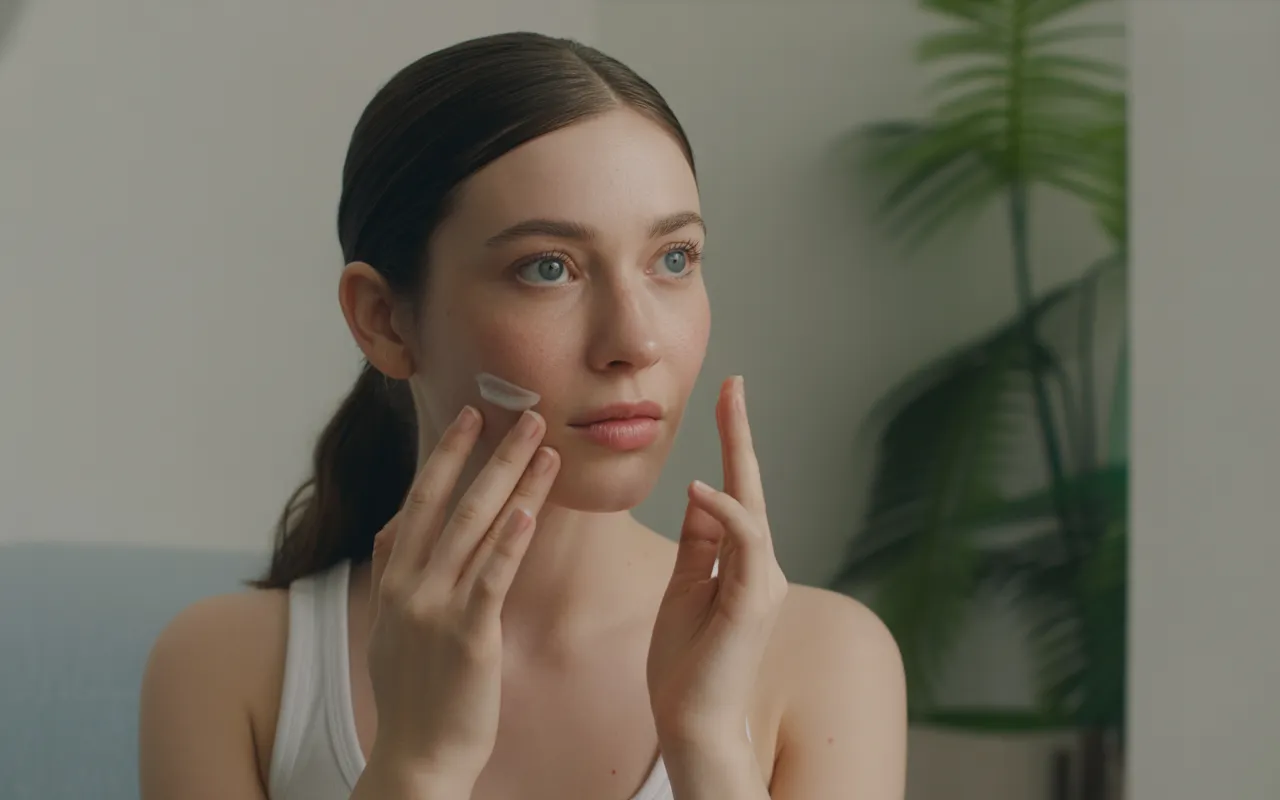
The Financial Relief is Part of the Glow
There is a genuine stress reduction that comes with affordable skincare. When I was using expensive products, I felt a low-level anxiety every time I pressed the pump. Is this too much? Am I wasting it?
With my drugstore routine, that anxiety vanished. I could slather moisturizer on my neck and chest without calculating the cost per ounce in my head. I could experiment with a new product without feeling guilty if it didn’t work out.
Stress is a major factor in skin health (cortisol spikes can lead to breakouts), so perhaps the financial peace of mind was contributing to my clearer complexion.
Will I Ever Go Back?
I’m three months in, and I have no plans to return to my old ways. I might splurge on a specific item occasionally—maybe a nice face mask for a treat, or a sunscreen with a specific tint I love—but the core of my routine will remain on the budget shelf.
We are living in the golden age of affordable beauty. The gap between high-end and low-end has narrowed significantly in terms of formulation quality.
If you’ve been hesitant to downgrade your spending because you’re afraid of downgrading your results, take it from a recovering snob: your skin won’t know the difference, but your bank account certainly will.
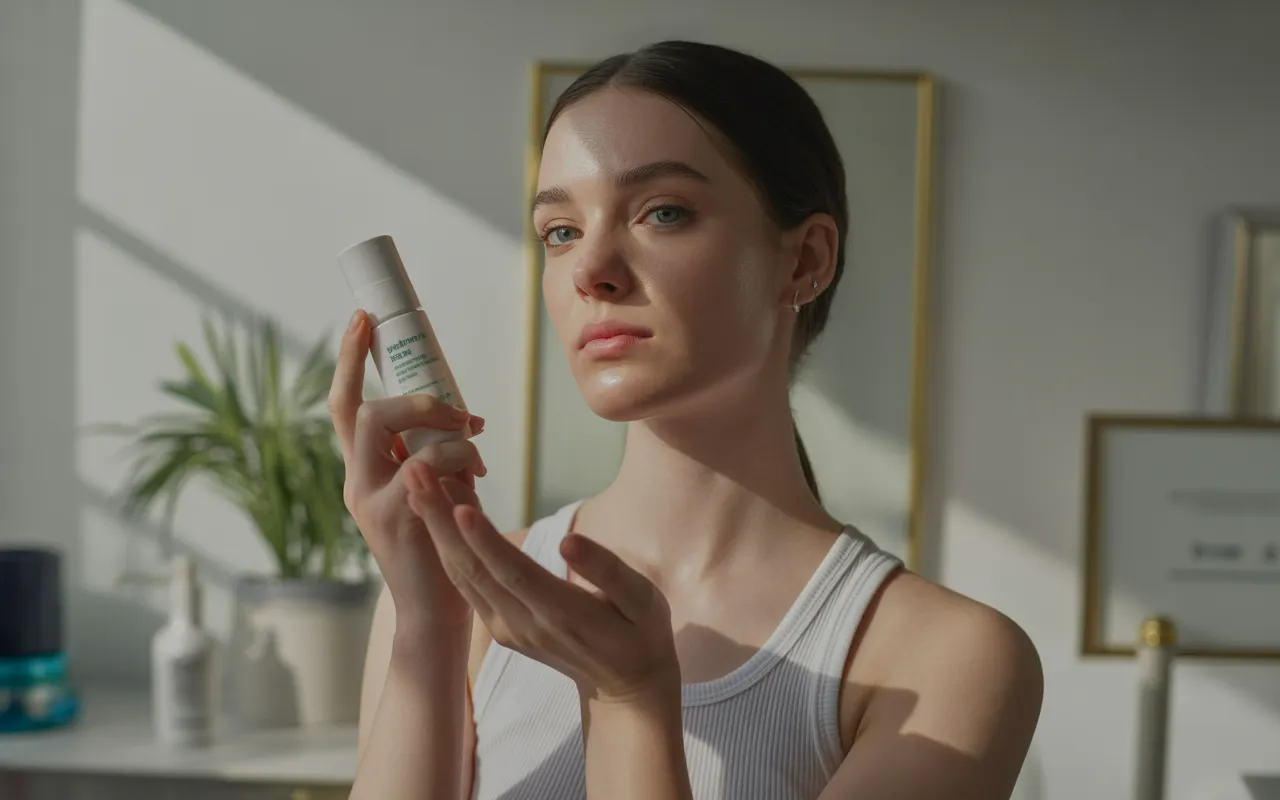
Sometimes, the smartest thing you can do is admit that the simple solution was the right one all along. My face is clean, hydrated, and protected, and I have enough money left over to enjoy life outside of my bathroom mirror. That, to me, is the real glow-up.