We all dream of having that healthy, lit-from-within glow. It’s the kind of radiant complexion that looks fresh and vibrant, even without a drop of makeup.
But with an overwhelming amount of information out there—from viral trends to complex multi-step routines—achieving that glow can feel like an impossible task.
The good news is that beautiful skin isn’t about expensive secrets or miracle products. It’s about consistency, understanding your skin’s needs, and building a routine with foundational habits that truly work. Your skin is a reflection of your overall well-being, and caring for it is a powerful form of self-care.
This guide is designed to cut through the noise and provide clear, actionable Beauty Tips For Skin.
We will explore the essential steps and key ingredients that lead to a truly radiant complexion. Think of this as your personal roadmap to understanding your skin and giving it exactly what it needs to thrive.
Whether you’re just starting your skincare journey or looking to refine your existing routine, these tips will help you build a solid foundation for long-term skin health. Let’s unlock the secrets to your most luminous skin yet.
The Foundation of Radiance: Your Skin Barrier
Before diving into serums and treatments, it’s crucial to understand the most important part of your skin: the barrier. Imagine your skin barrier as a security guard for your face.
It’s the outermost layer, responsible for keeping moisture locked in and keeping harmful elements like pollution, bacteria, and irritants out.
When your skin barrier is healthy and strong, your skin looks plump, calm, and hydrated. It has that coveted natural glow. However, when it’s damaged—often from over-exfoliating, using harsh products, or environmental stress—it can’t do its job properly. This leads to issues like redness, sensitivity, dehydration, and dullness.
Protecting this barrier is the first and most important of all Beauty Tips For Skin. A compromised barrier won’t respond well to even the best products. So, always prioritize gentle care and hydration. If your skin ever feels tight, itchy, or stings when you apply products, take a break from actives and focus solely on nourishing and repairing.
Step 1: Master the Art of Cleansing
The journey to a radiant complexion begins at your sink. Cleansing is the most fundamental step, as it removes the dirt, oil, makeup, and pollution that accumulate throughout the day. Without a clean canvas, your other skincare products simply can’t penetrate and work effectively.
However, not all cleansing is created equal. Using a harsh, stripping cleanser can do more harm than good by damaging your precious skin barrier. The goal is to be thorough yet gentle.
The Double Cleanse Method
For a truly deep clean, especially in the evening, the double cleanse method is unparalleled. This two-step process ensures everything is removed without disrupting your skin’s natural balance.
- Step 1 (Oil Cleanse): Start with a cleansing oil or balm on dry skin. Massage it in for at least a minute. Oil is brilliant at dissolving oil-based impurities like makeup, sunscreen, and excess sebum.
- Step 2 (Water Cleanse): After rinsing off the oil, follow up with a gentle, water-based cleanser (like a gel or cream formula). This second step cleans your actual skin, washing away any lingering residue.
After double cleansing, your face should feel soft and refreshed, never tight. That “squeaky clean” feeling is a sign that your skin has been stripped of its natural, protective oils.
Morning Cleanse
In the morning, a full double cleanse usually isn’t necessary. A splash of lukewarm water or a quick wash with your gentle water-based cleanser is typically enough to refresh your skin and prepare it for your daytime routine.
Step 2: Consistent and Gentle Exfoliation
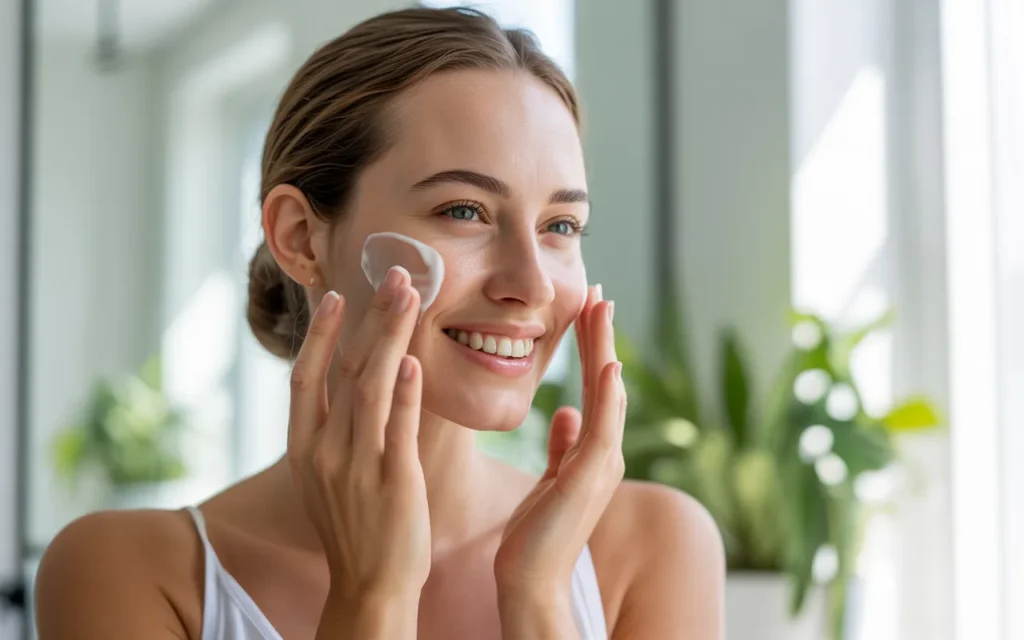
One of the biggest culprits behind a dull complexion is the buildup of dead skin cells. As we age, our skin’s natural exfoliation process slows down, and these old cells can linger on the surface.
This layer of dead skin scatters light instead of reflecting it, leading to a lackluster and uneven appearance.
Exfoliation is the process of removing these dead cells to reveal the fresh, bright skin underneath. While it’s a critical step for radiance, it’s also where many people go wrong. Over-exfoliating with harsh scrubs can cause micro-tears and damage the skin barrier.
Chemical Exfoliants Are Your Friend
Instead of abrasive physical scrubs, consider using chemical exfoliants. These use gentle acids to dissolve the bonds holding dead skin cells together, allowing them to shed naturally.
- Alpha Hydroxy Acids (AHAs): Ingredients like glycolic acid and lactic acid are water-soluble and work on the surface of the skin. They are excellent for improving texture, fading dark spots, and boosting hydration, making them ideal for normal to dry skin.
- Beta Hydroxy Acids (BHAs): Salicylic acid is the most common BHA. It’s oil-soluble, which means it can penetrate deep into your pores to clear out excess sebum and debris. This makes it a hero for oily and acne-prone skin.
Introduce an exfoliating acid into your routine slowly, starting with 2-3 times a week at night. This allows your skin to adapt and prevents irritation. This is one of the most transformative Beauty Tips For Skin for achieving a smooth, glowing surface.
Step 3: Layer Hydration Like a Pro
Hydrated skin is happy, radiant skin. When your skin cells are properly hydrated, they are plump and full, which makes your skin look smooth and bouncy. Dehydration, on the other hand, can lead to fine lines, dullness, and a rough texture.
The key to effective hydration is layering. You want to infuse your skin with water-based products and then seal that moisture in with something more substantial.
The “Hydration Sandwich” Technique
For maximum moisture, think of your routine as building a sandwich.
- Start with a Damp Base: After cleansing, don’t dry your face completely. Applying products to slightly damp skin helps them absorb much more effectively.
- Add a Humectant: Apply a serum containing a humectant, like hyaluronic acid or glycerin. These ingredients act like magnets, pulling water into the skin and holding it there.
- Seal It In: You must follow up with a moisturizer. This creates a barrier on the surface of the skin that prevents all that wonderful hydration from evaporating away—a process known as Transepidermal Water Loss (TEWL).
Your moisturizer should contain ingredients like ceramides, fatty acids, or squalane, which help to replenish and support your skin’s natural barrier.
Step 4: Incorporate Powerful Antioxidants
Every day, your skin is under attack from environmental aggressors like UV rays and pollution. These create unstable molecules called free radicals, which cause oxidative stress. This stress breaks down collagen, leading to premature aging, inflammation, and a dull complexion.
Antioxidants are your skin’s defenders. They neutralize free radicals before they can cause damage. Making antioxidants a core part of your routine is one of the most vital Beauty Tips For Skin.
Vitamin C: The Gold Standard
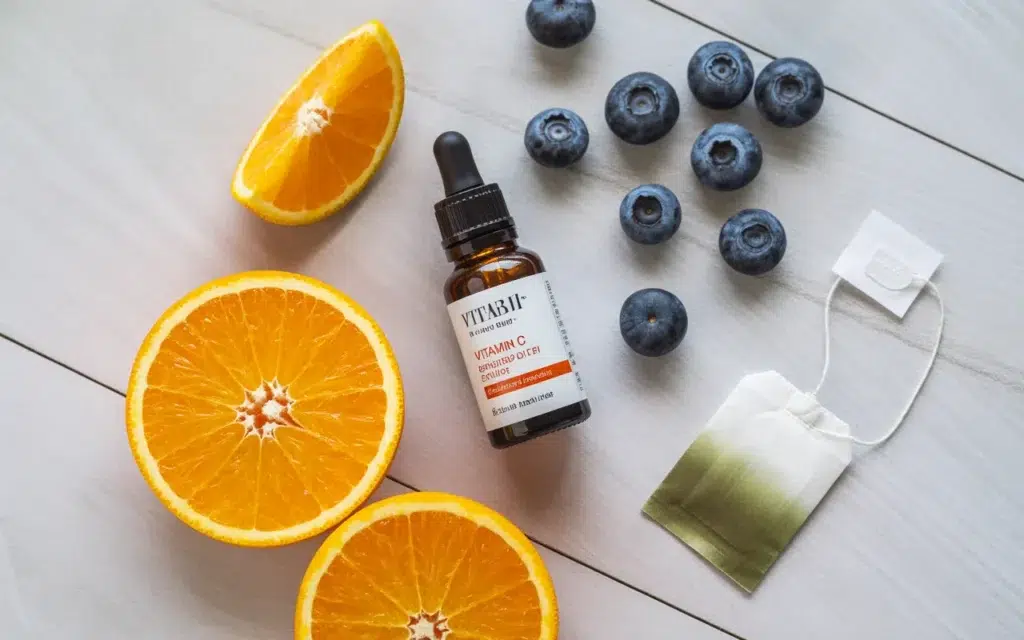
Vitamin C is the king of antioxidants in skincare. When used in the morning, it not only protects your skin but also boosts the effectiveness of your sunscreen.
It’s also renowned for its brightening properties, as it helps to inhibit the production of melanin, which can fade dark spots and even out your skin tone.
Other Key Antioxidants
- Niacinamide (Vitamin B3): A multi-tasking superstar that brightens, calms redness, regulates oil, and strengthens the skin barrier.
- Vitamin E: Often paired with Vitamin C, it helps to stabilize the formula and provides its own moisturizing and healing benefits.
- Resveratrol: Found in grapes, this antioxidant is excellent at fighting environmental damage and calming inflammation.
Step 5: The Non-Negotiable Daily Sunscreen
You can have the most sophisticated and expensive skincare routine in the world, but if you are not using sunscreen daily, you are fighting a losing battle. Sun damage is the number one cause of premature aging and a major obstacle to achieving a radiant complexion.
UV radiation degrades your collagen, causes uneven pigmentation (sun spots), and can lead to serious health issues. Protection is not just for sunny beach days; it’s an everyday necessity.
The Everyday Habit
UVA rays, which cause aging, can penetrate through clouds and even glass. This means you need to wear sunscreen even when it’s overcast, when you’re in the car, or sitting near a window at home or in the office.
Make applying a broad-spectrum sunscreen with an SPF of 30 or higher the final step of your morning skincare routine. Use a generous amount—about two finger-lengths for your face and neck—to ensure you’re getting the full protection stated on the bottle.
Finding a sunscreen you love is key to consistency. Modern formulas are incredibly elegant and can feel like a lightweight moisturizer, so experiment until you find one that works for your skin type and lifestyle.
The Role of Diet and Lifestyle
Topical skincare is only one piece of the puzzle. A truly radiant complexion is a reflection of your overall health. What you put inside your body is just as important as what you put on your skin.
Eat the Rainbow
A diet rich in fruits and vegetables provides your body with the vitamins and antioxidants it needs to fight inflammation and build healthy skin cells.
- Healthy Fats: Foods like avocados, nuts, and salmon are rich in omega-3 fatty acids, which help to maintain a healthy skin barrier.
- Vitamin C-Rich Foods: Bell peppers, broccoli, and citrus fruits contribute to collagen production.
- Beta-Carotene: Found in carrots and sweet potatoes, your body converts this to Vitamin A, which is essential for skin health.
The Sugar and Dairy Connection
High levels of sugar can lead to a process called glycation, which can damage collagen and elastin, making skin less firm. For some people, dairy can also be a trigger for inflammation and breakouts. Pay attention to how your skin reacts after consuming these foods.
Hydrate from Within
Drinking enough water is crucial for keeping your skin plump and hydrated from the inside out. Dehydration can make your skin look dull and emphasize fine lines. Aim for at least eight glasses of water per day.
The Importance of “Beauty Sleep”
It’s called beauty sleep for a reason. While you rest, your skin goes into repair and regeneration mode. Your body increases blood flow to the skin, which means you wake up with a healthy glow. During sleep, your skin also rebuilds its collagen and repairs damage from UV exposure.
Chronic lack of sleep can lead to increased levels of the stress hormone cortisol, which can trigger inflammation and break down collagen. To maximize your skin’s nighttime repair process, aim for 7-9 hours of quality sleep per night.
A simple yet effective trick is to sleep on a silk or satin pillowcase. The smooth surface reduces friction on your skin, which can help prevent sleep creases and keep your skincare products on your face instead of being absorbed by a cotton pillowcase.

Managing Stress for Clearer Skin
Have you ever noticed that you break out right before a big event or during a stressful week? That’s no coincidence. Stress has a direct impact on your skin. When you’re stressed, your body produces more cortisol, which can increase oil production and trigger inflammatory responses like acne and eczema.
Finding healthy ways to manage stress is not just good for your mental health; it’s also one of the most underrated Beauty Tips For Skin.
Incorporate stress-reducing activities into your daily life:
- Regular exercise
- Mindfulness or meditation
- Yoga or gentle stretching
- Spending time in nature
- Journaling
Your skincare routine itself can be a form of stress relief. The ritual of cleansing and massaging products into your skin can be a calming, meditative moment at the start or end of your day.
Conclusion: Your Path to a Lifelong Glow
Achieving a radiant complexion isn’t about a quick fix; it’s a long-term commitment to your skin’s health. By embracing these essential Beauty Tips For Skin, you are building a routine that supports and nourishes your skin from the inside out and the outside in.
Start by focusing on the fundamentals: gentle cleansing, daily hydration, and consistent sun protection. Once you have that foundation in place, you can begin to incorporate powerful active ingredients to target your specific concerns.
Remember to be patient and listen to your skin. It can take time to see results, and your skin’s needs will change over time.
The ultimate goal is not perfection, but progress. By treating your skin with kindness and consistency, you are well on your way to unlocking a healthy, vibrant glow that lasts a lifetime.