Navigating the world of skincare can feel like trying to read a map in a foreign language. With endless products promising miracle results and conflicting advice at every turn, it’s easy to feel overwhelmed.
But what if achieving healthy, glowing skin wasn’t about having a 15-step routine or the most expensive products? What if it was simply about mastering a few core techniques?
The secret to a great complexion lies in consistency and understanding the fundamentals. This guide is here to be your friendly translator, breaking down the most important Beauty Tips For Face into simple, actionable steps.
We are focusing on the foundational techniques that deliver real, lasting results, helping you build a routine that works for you, not against you.
Forget the confusing jargon and complicated regimens. We are going to explore 12 essential skincare techniques that will empower you to take control of your skin’s health.
From the right way to wash your face to the power of a gentle massage, these tips are designed for real life. They are the building blocks of a routine that will leave you feeling confident and radiant.
Let’s dive in and simplify your path to beautiful skin with these essential Beauty Tips For Face.
1. Master the Double Cleanse
If you wear makeup or sunscreen, a single wash at night often isn’t enough. Dirt, oil, and product residue can get left behind, leading to clogged pores, dullness, and breakouts.
The double cleanse is a two-step method that ensures your skin is impeccably clean without being stripped of its natural oils. This technique is a cornerstone of any effective list of Beauty Tips For Face.
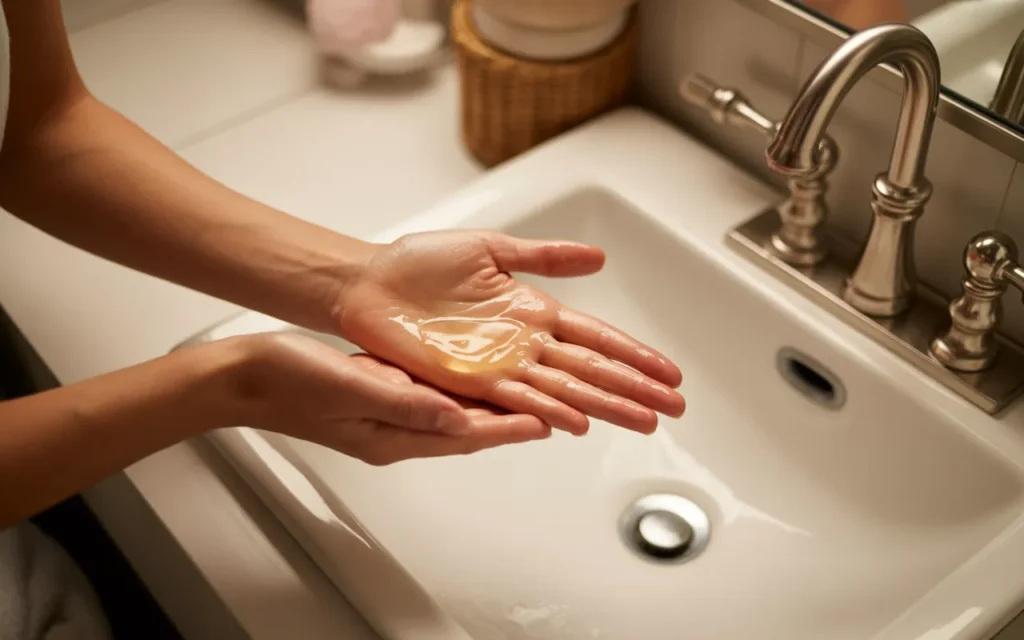
The first step involves using an oil-based cleanser or a cleansing balm. Massage it onto your dry skin for at least 60 seconds.
The oil acts like a magnet, binding to the oil-based impurities on your face—like makeup, sebum, and sunscreen—and dissolving them gently. When you rinse with warm water, the cleanser emulsifies and washes away all that grime.
For the second step, you use a water-based cleanser (like a gel or cream formula). Now that the top layer of dirt is gone, this cleanser can actually clean your skin.
It removes any remaining residue and prepares your face for the rest of your routine. After double cleansing, your skin should feel soft and comfortable, never tight or “squeaky.”
2. Hydrate on Damp Skin
One of the simplest yet most transformative skincare techniques is to apply your products to damp skin. Think of your skin like a sponge. A dry sponge is hard and doesn’t absorb water well, but a damp sponge soaks everything up instantly. Your skin works the same way.
After cleansing, gently pat your face with a towel, but leave it slightly damp. This surface moisture helps your serums and moisturizers penetrate more deeply and effectively. Products like hyaluronic acid, which is a humectant that draws water into the skin, work significantly better when applied to a damp canvas.
This technique also helps you use less product. When your skin is receptive, a smaller amount goes a longer way.
You can re-dampen your face between steps with a gentle facial mist, like rosewater, to keep the hydration going. This is one of those crucial Beauty Tips For Face that costs nothing but makes a huge difference in achieving a plump, dewy look.

3. Exfoliate with Acids, Not Scrubs
To get radiant skin, you need to remove the layer of dead cells that accumulates on the surface. These dead cells scatter light, making your complexion look dull and preventing your products from absorbing properly.
While a gritty scrub might feel satisfying, it can cause micro-tears in the skin, leading to irritation and a damaged barrier.
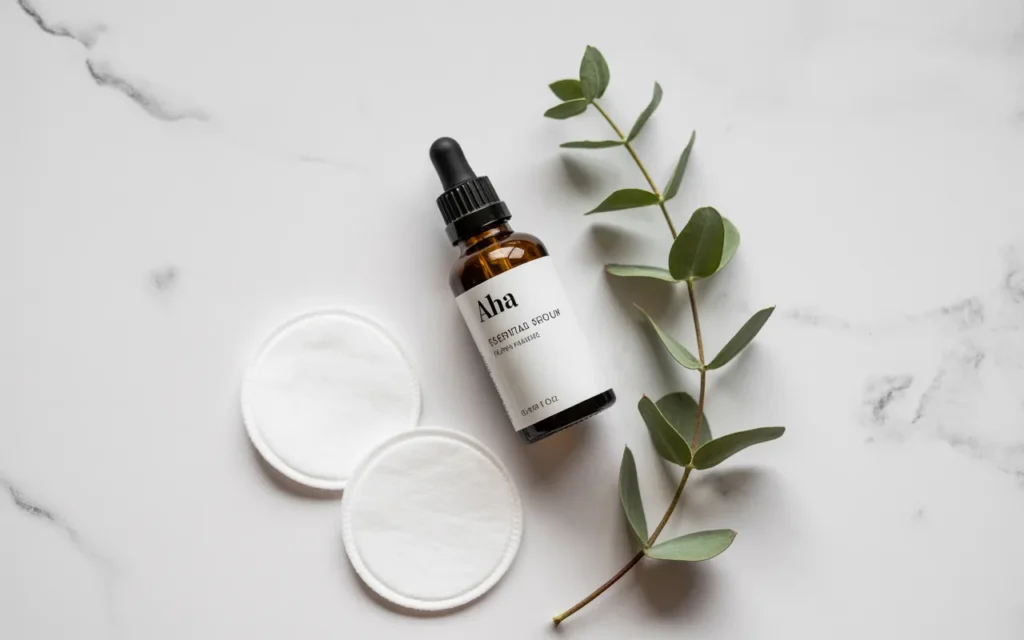
A better approach is to use chemical exfoliants. These are gentle acids that dissolve the “glue” holding dead skin cells together, allowing them to shed naturally. The main types are:
- AHAs (Alpha Hydroxy Acids): Glycolic and lactic acid are great for surface exfoliation, helping with texture, fine lines, and dullness. They are water-soluble and best for dry to normal skin.
- BHAs (Beta Hydroxy Acids): Salicylic acid is oil-soluble, meaning it can penetrate deep into your pores to clear out excess oil and debris. It’s the hero ingredient for oily and acne-prone skin.
Start by incorporating a gentle exfoliating acid into your routine 2-3 times a week at night. You can find them in toners, serums, or masks. Always follow with a good moisturizer, and be extra diligent with sunscreen the next day, as acids can make your skin more sensitive to the sun.
4. Layer Your Products Correctly
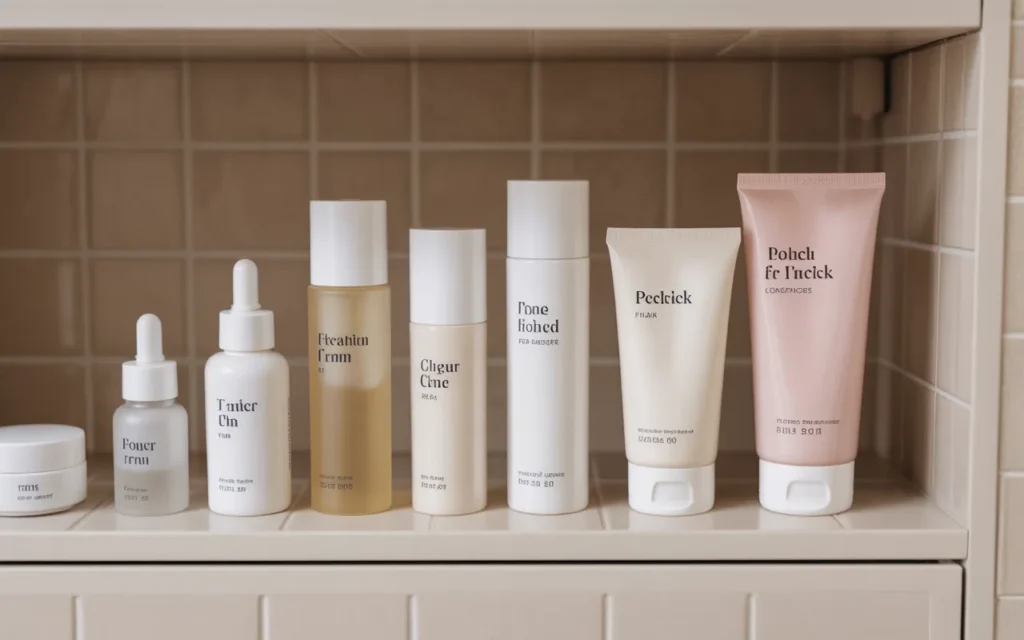
The order in which you apply your skincare products matters. A general rule of thumb is to go from the thinnest consistency to the thickest.
This allows each product to be absorbed properly without being blocked by a heavier one. Applying a thin, water-based serum after a thick, oily cream is like trying to water a plant through a layer of plastic—it just won’t work.
A standard daytime routine order should look something like this:
- Cleanser: Start with a clean face.
- Toner/Essence: These prep the skin and provide a first layer of hydration.
- Serums: Apply your targeted treatments, like Vitamin C or hyaluronic acid.
- Eye Cream: Gently tap it around the orbital bone.
- Moisturizer: Lock in all the hydration and active ingredients.
- Sunscreen: The final, non-negotiable step.
At night, the routine is similar, but you would swap out your Vitamin C for a treatment like retinol and skip the sunscreen.
Following this order is a fundamental part of any guide on Beauty Tips For Face because it maximizes the efficacy of everything you use.
5. Protect with Sunscreen Every Single Day
If you only follow one piece of skincare advice for the rest of your life, let it be this: wear sunscreen every day. It is the single most effective anti-aging and skin-protecting product you can use. Up to 90% of visible aging—wrinkles, dark spots, and loss of firmness—is caused by sun exposure.
UV rays are present year-round, even on cloudy, rainy, or snowy days. UVA rays, which are responsible for aging, can also penetrate through glass, so you need protection even when you’re indoors near a window or driving.
Make applying a broad-spectrum sunscreen with at least SPF 30 the last step of your morning skincare routine.
You need to apply more than you think—about a quarter-sized dollop, or the length of two fingers, for your face and neck. Think of it as your daily insurance policy against future damage. No list of Beauty Tips For Face is complete without this crucial step.

6. Incorporate Facial Massage
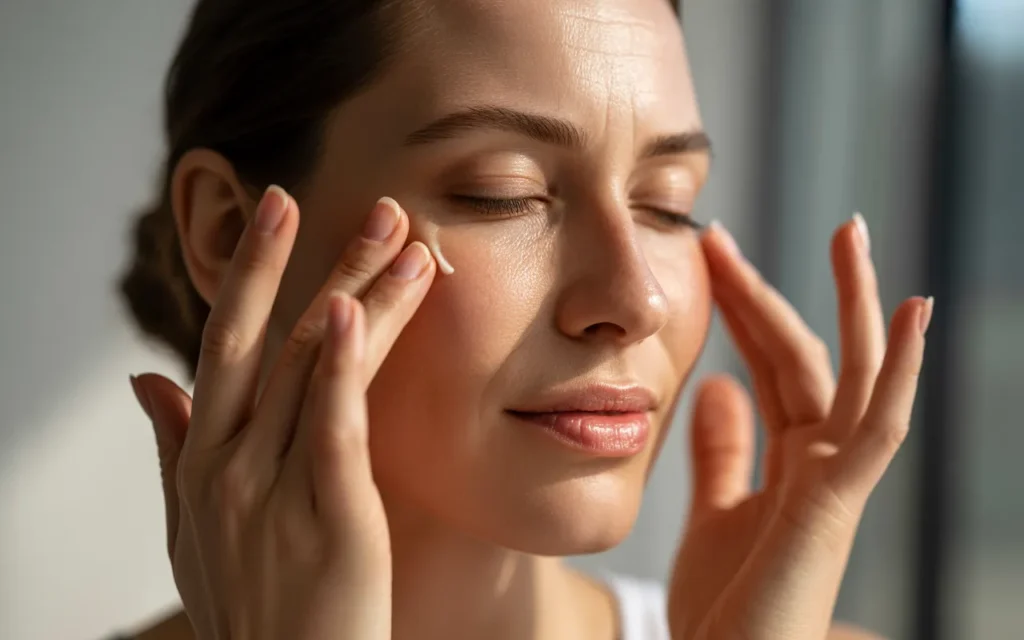
Your face has over 40 muscles that can hold tension from stress, squinting, and clenching your jaw. This tension can restrict blood flow and lead to a dull, tired appearance. Facial massage is a powerful technique to release this tension, boost circulation, and promote lymphatic drainage.
You don’t need fancy tools to start. Your own hands are incredibly effective. When you apply your facial oil or moisturizer, take an extra two minutes to massage your skin. Always use gentle, upward and outward strokes to work against gravity.
- Use your knuckles to gently knead along your jawline.
- Use your fingertips to make small circles on your temples.
- Sweep your fingers from your eyebrows up to your hairline.
This simple ritual not only gives you an immediate rosy glow but can also help reduce puffiness and define your facial contours over time. It transforms your routine from a chore into a moment of mindful self-care.
7. Understand Active Ingredients
To level up your skincare, you need to move beyond just cleansing and moisturizing and start incorporating “active” ingredients.
These are the powerhouse ingredients that are scientifically proven to cause a specific change in the skin. Knowing which actives to use is one of the most important Beauty Tips For Face.
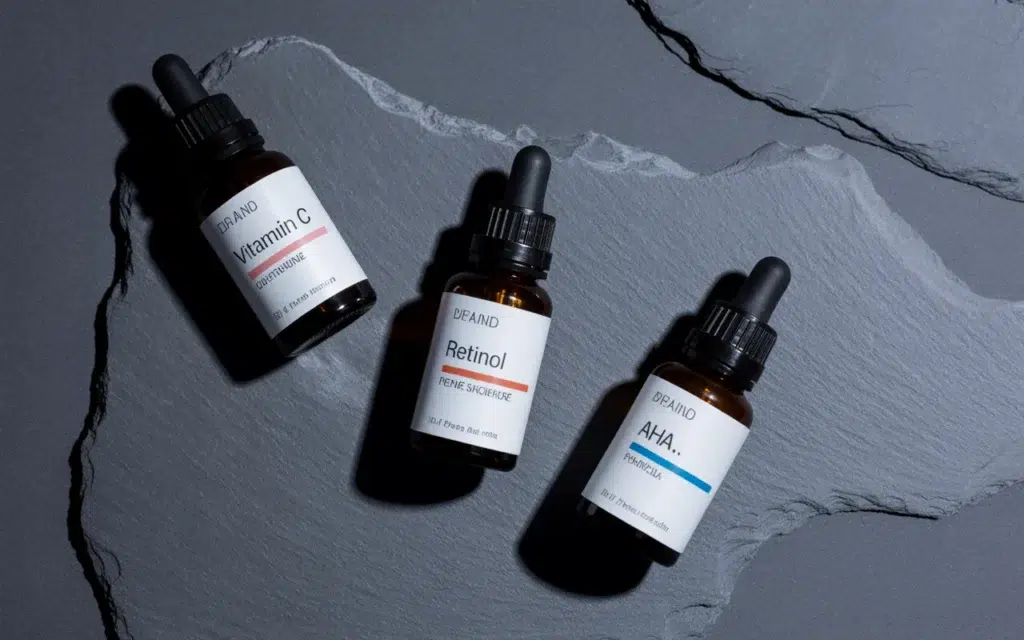
Here are the “big three” you should know:
- Vitamin C (for daytime): A potent antioxidant that protects against environmental damage, brightens the skin, and helps fade dark spots. It’s best used in the morning to work alongside your sunscreen.
- Retinoids (for nighttime): This is the family of Vitamin A derivatives (including retinol). They are the gold standard for anti-aging, speeding up cell turnover to smooth fine lines, improve texture, and unclog pores.
- Exfoliating Acids (for nighttime): As we discussed, AHAs and BHAs are crucial for removing dead skin cells and keeping the skin bright and clear.
It’s important to introduce these ingredients slowly. Don’t use them all at once. For example, use Vitamin C in the morning and alternate between an exfoliating acid and a retinoid at night.
8. Care for Your Skin Barrier
The skin barrier, or stratum corneum, is the outermost layer of your skin. Its job is to keep good things (like moisture) in and bad things (like pollution and bacteria) out. When your barrier is healthy, your skin looks plump, calm, and hydrated. When it’s damaged, it can lead to redness, sensitivity, dehydration, and breakouts.
Many common skincare mistakes—like using harsh cleansers, over-exfoliating, or not moisturizing—can compromise this crucial barrier. One of the most essential Beauty Tips For Face is to focus on supporting it.
Look for products with barrier-repairing ingredients:
- Ceramides: These are the natural lipids that make up over 50% of your skin barrier.
- Niacinamide: This form of Vitamin B3 helps your skin produce more of its own ceramides.
- Fatty Acids: Ingredients like squalane, shea butter, and various plant oils help replenish the “mortar” of your skin barrier.
If your skin ever feels tight, irritated, or starts stinging when you apply products, take a break from all active ingredients and focus solely on gentle cleansing and barrier repair.
9. Don’t Neglect Your Neck and Chest
Skincare shouldn’t stop at your chin. The skin on your neck and décolletage (your upper chest) is thinner and has fewer oil glands than the skin on your face, making it one of the first areas to show signs of aging. It’s also an area that gets a lot of sun exposure.
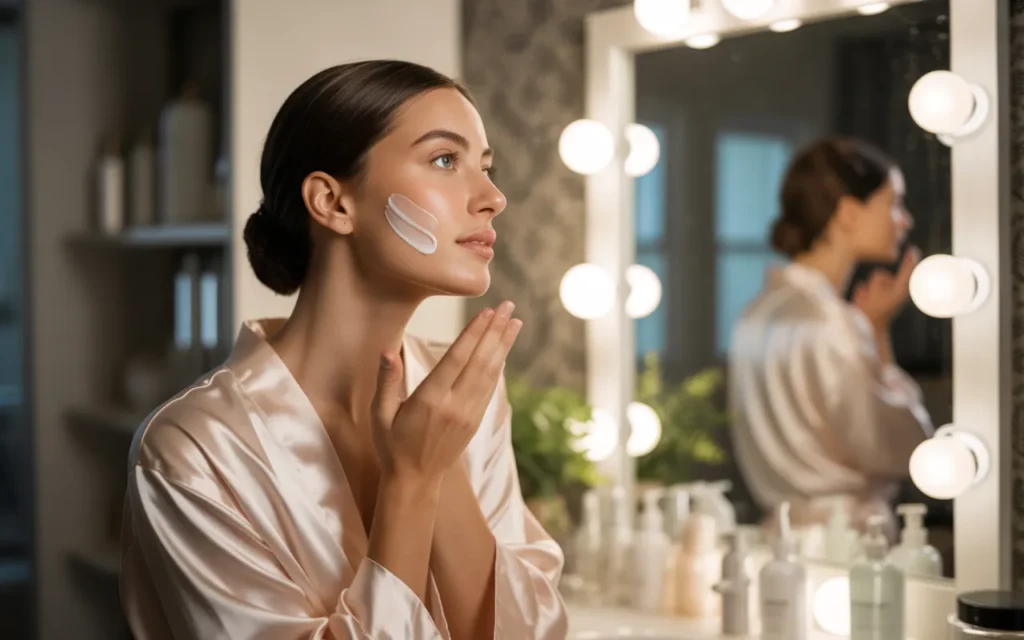
Make it a habit to extend your entire facial routine downwards. Whatever you apply to your face should also be applied to your neck and chest. This includes your cleanser, serums, moisturizer, and especially your sunscreen.
When applying products to your neck, use gentle upward strokes. This motion works against gravity and helps prevent sagging. Treating these areas with the same care as your face is a pro-level technique that will pay off for decades to come.
10. Embrace a Silk Pillowcase
This simple switch can have a surprising impact on your skin and hair. Traditional cotton pillowcases are absorbent, meaning they can soak up the expensive serums and moisturizers you apply at night. Cotton also has a rougher texture that can cause friction against your skin as you toss and turn.
This friction can contribute to “sleep creases”—those lines you wake up with on your face that can become permanent over time. A silk or satin pillowcase provides a smooth, slippery surface that your skin glides over.
This reduces friction, helps your skin retain moisture, and keeps your nighttime products where they belong: on your face. As a bonus, it also reduces hair frizz and breakage. This is an effortless technique that works while you sleep.

11. Practice Spot Treating Correctly
When a pimple appears, our first instinct is often to attack it with the harshest product we can find. However, this aggressive approach can often make things worse by irritating the surrounding skin, drying out the area, and leading to post-inflammatory hyperpigmentation (the dark spot left behind).
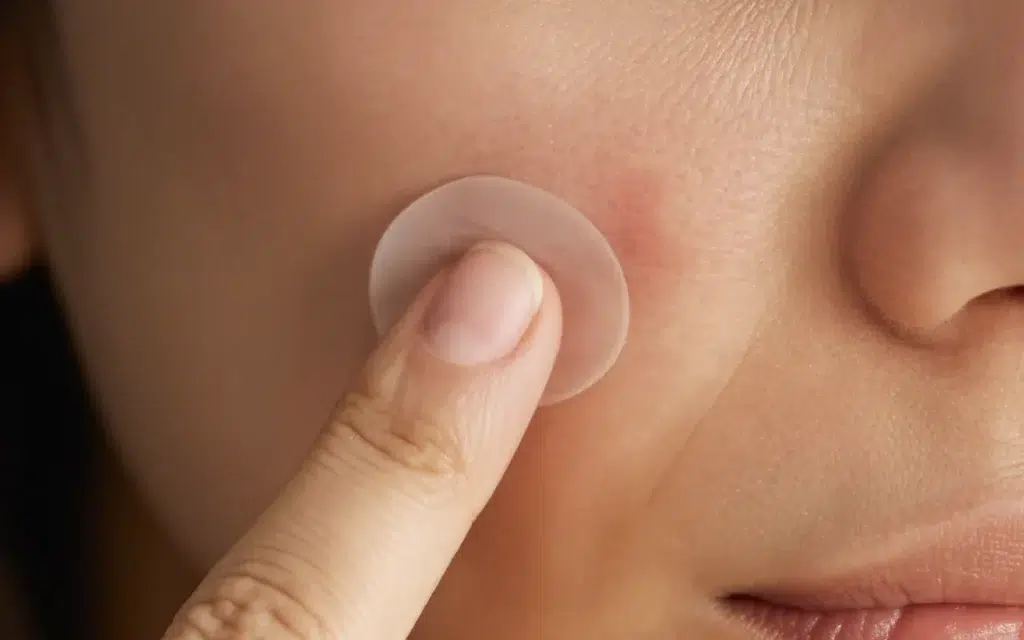
A more effective technique is gentle, targeted spot treating. Hydrocolloid patches are a fantastic option. These are small, clear stickers that you place over a whitehead. They absorb the fluid from the pimple, create a moist healing environment, and, most importantly, prevent you from picking at it.
For deeper, under-the-skin cysts, avoid trying to “dry them out” with harsh alcohols. Instead, use a spot treatment with salicylic acid to gently exfoliate inside the pore, or apply a dab of a clay mask to the spot to help draw out impurities.
12. Listen to Your Skin
The final and most important of all Beauty Tips For Face is to learn to listen to what your skin is telling you. Skincare is not one-size-fits-all. A product that is a holy grail for your favorite influencer might be a disaster for you. Your skin’s needs can also change based on the season, your stress levels, your diet, and your hormonal cycle.
Pay attention to how your skin feels. Does it feel tight and dry after cleansing? Your cleanser might be too harsh. Is it getting oilier than usual? You might be over-stripping it and need more hydration. Are you breaking out along your jawline? It could be hormonal.
Don’t feel pressured to stick to a rigid routine. Be flexible. If your skin feels sensitive, skip the exfoliant and give it a nourishing mask instead.
If it feels congested, add in a clay mask. Becoming your own “skin detective” is the ultimate skill for achieving a consistently healthy and radiant complexion.

Conclusion: Your Journey to Radiant Skin
Achieving the skin of your dreams isn’t about finding a single magic potion. It’s about building a solid foundation of good habits and mastering the essential techniques that support your skin’s health.
By incorporating these 12 Beauty Tips For Face into your daily life, you are not just treating your skin—you are cultivating a practice of self-care.
Start by choosing one or two techniques that resonate with you. Maybe you commit to double cleansing every night or finally buy that silk pillowcase you’ve been considering. Small, consistent changes are what lead to transformative results over time.
Remember to be patient and kind to your skin and to yourself. Your skincare journey is a personal one.
Enjoy the process of learning what your skin loves and celebrate the progress you make along the way. With these techniques as your guide, you are well on your way to a healthier, more radiant complexion.