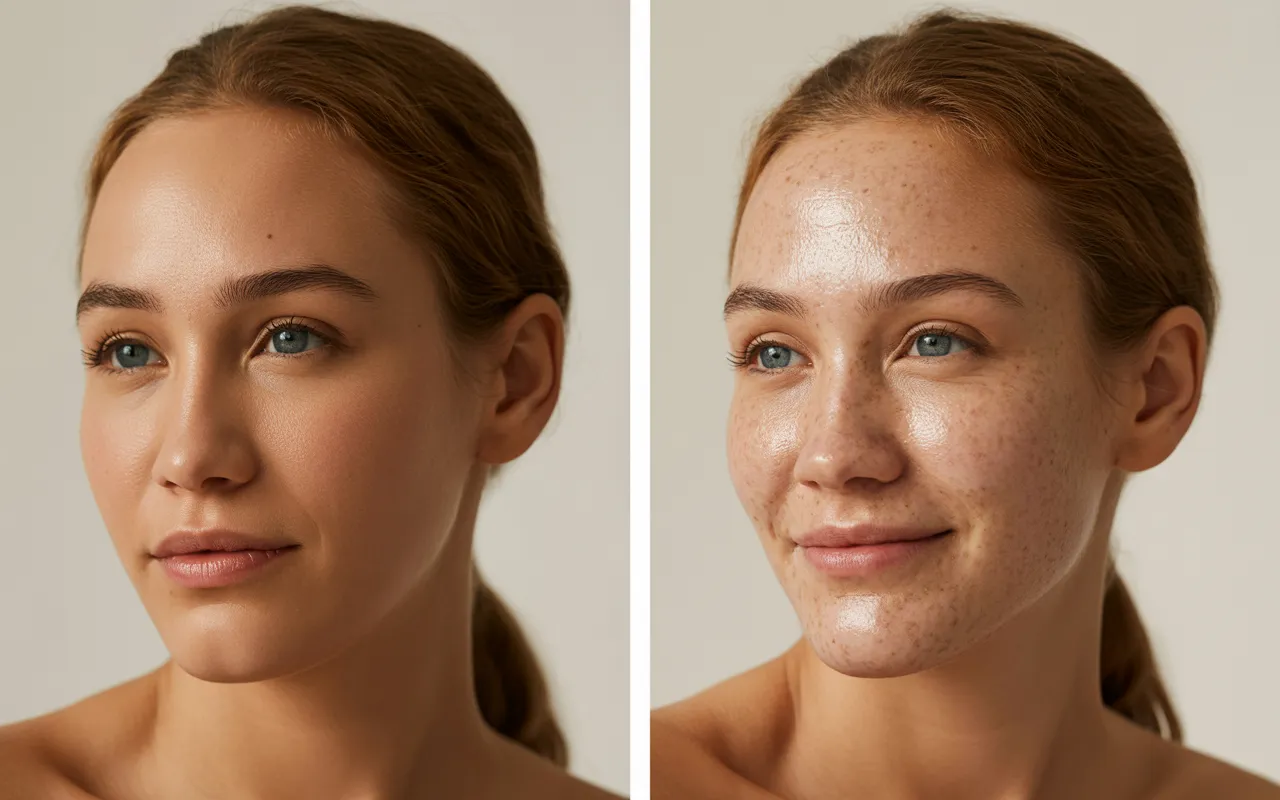
My skincare drawer used to look like a tiny, chaotic pharmacy. I had bottles for morning brightening, jars for evening hydration, spot treatments for the spots caused by the other treatments, and a jade roller I used exactly twice. I was exhausted before I even turned on the faucet.
We’re told that great skin requires great effort. We see the 10-step routines, the “get ready with me” videos featuring five different serums, and we internalize the message: if your skin isn’t perfect, you just aren’t doing enough.
But two weeks ago, staring at a breakout that just wouldn’t quit despite my aggressive interventions, I hit a wall. I was spending twenty minutes every night layering products that cost a fortune, yet my face looked tired, congested, and dull.
So, I made a deal with myself. For 14 days, I would strip it all away. No double cleansing, no toners, no essences, no retinols. Just the basics. I wanted to see what my skin would do if I stopped micromanaging it and let it breathe.

The Breaking Point
The catalyst for this experiment wasn’t a sudden burst of minimalism; it was frustration. I had developed a patch of texture on my chin that felt like sandpaper. My cheeks were perpetually flushed, not in a cute “just went for a run” way, but in a “something is wrong” way.
I realized I had no idea what my actual skin looked like anymore. I only knew what my skin looked like under layers of active ingredients. Was I oily? Dry? Combination? Or was I just reacting to the chemical cocktail I applied daily?
The rules for the next two weeks were simple but scary:
- Cleanser (Gentle, nothing stripping).
- Moisturizer (Basic, no fragrance).
- Sunscreen (The non-negotiable).
That was it. My “minimal skincare routine” was born.
Days 1–4: The Withdrawal Phase
The first few days felt wrong. Washing my face and immediately putting on moisturizer felt like leaving the house without shoes. Where was the toner? The Vitamin C? I felt exposed.
Physically, my skin went a little haywire. Without the salicylic acid I usually relied on to nuke potential pimples, I saw a few small whiteheads pop up on my forehead. My anxiety spiked. I desperately wanted to reach for my spot treatment, but I sat on my hands.
I realized how much of my skincare routine was actually just a soothing psychological ritual. I wasn’t just treating my skin; I was trying to control it. Letting go of that control was harder than resisting the products themselves.
However, by the fourth morning, I noticed something strange. The tightness I usually felt after washing my face—the sensation that if I didn’t apply moisturizer immediately, I would crack—was gone. My skin felt… comfortable.
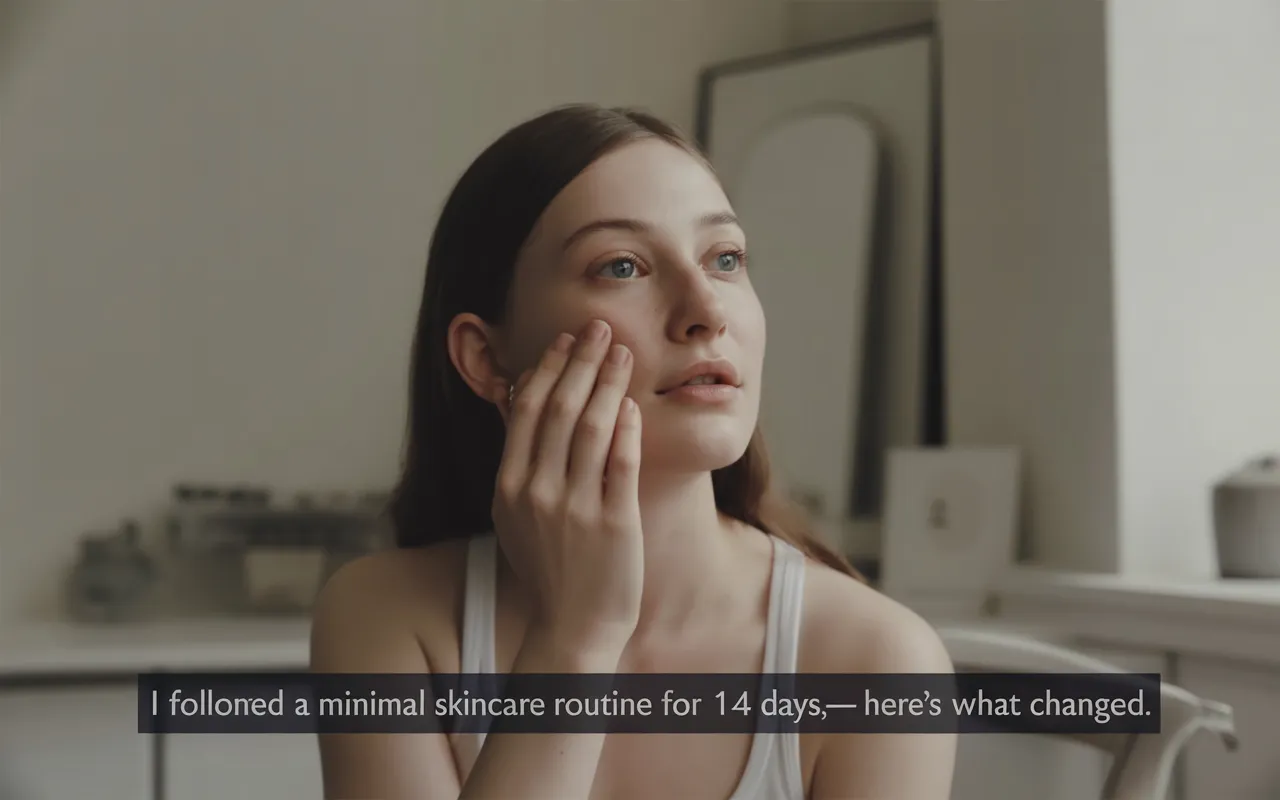
Days 5–9: The Calm After the Storm
Around day five, the redness started to recede. That persistent flush on my cheeks quieted down. It turns out, scrubbing my face with acids every night to “reveal glow” was actually just keeping me in a state of low-grade inflammation.
I also noticed I was saving so much time. My nighttime routine went from a 20-minute production to a 3-minute task. I was getting into bed earlier. I was stressing less about whether I had waited the appropriate 60 seconds between serum applications.
During this middle phase, the texture on my chin—the sandpaper patch—began to soften. It wasn’t gone, but it wasn’t angry anymore. Without the constant assault of new ingredients, my skin barrier seemed to be taking a deep breath and finally starting to repair itself.
Days 10–14: The Realization
By the final stretch of the experiment, I looked in the mirror and saw something I hadn’t seen in years: balance.
My T-zone wasn’t an oil slick by noon, likely because I wasn’t stripping it dry every morning. My dry patches weren’t flaking. The small whiteheads from the first few days had healed on their own, faster than they usually did when I attacked them with drying lotions.
Was my skin “perfect”? No. I still had pores. I still had fine lines. But the overall tone was even. My face looked rested. It looked like skin, not a project.
The biggest shock was how much money I realized I was wasting. The products I used during these two weeks cost a fraction of my usual lineup. I had been paying a premium to irritate my own face.

What a Minimal Skincare Routine Actually Does
We tend to think of skincare as adding things: adding moisture, adding brightness, adding collagen. But often, skincare should be about subtraction.
When you remove the excess, you allow your skin’s microbiome to rebalance. Your acid mantle—the protective film of natural oils and sweat—can actually do its job.
By overloading my skin for years, I had made it lazy. It didn’t need to regulate its own hydration levels because I was forcing hydration into it. It didn’t need to shed cells naturally because I was chemically burning them off.
This 14-day reset forced my skin to get back to work. And it turns out, it knows what it’s doing.

Will I Go Back?
The experiment is technically over, but my old routine isn’t coming back.
I’ve decided to reintroduce products very slowly, and only if there is a specific need. I missed my Vitamin C serum for the brightness it gives, so that might return. But the three different toners? The twice-daily exfoliation? The expensive eye cream that I’m pretty sure is just moisturizer in a tiny jar? They are going in the trash.
I learned that listening to your skin is far more effective than listening to influencers. If my skin feels dry, I’ll moisturize more. If it looks dull, maybe I’ll exfoliate once. But the default setting is now “less.”
The Takeaway
If you feel like you’re fighting a losing battle with your complexion, try surrendering. Put down the weapons. Stop the scrubbing, the peeling, and the layering.
Give your face two weeks of peace. It might be scary at first to let go of the safety blanket of a complex regimen. But you might find that the healthy, calm skin you’ve been buying products to achieve was there all along, just waiting for you to get out of the way.
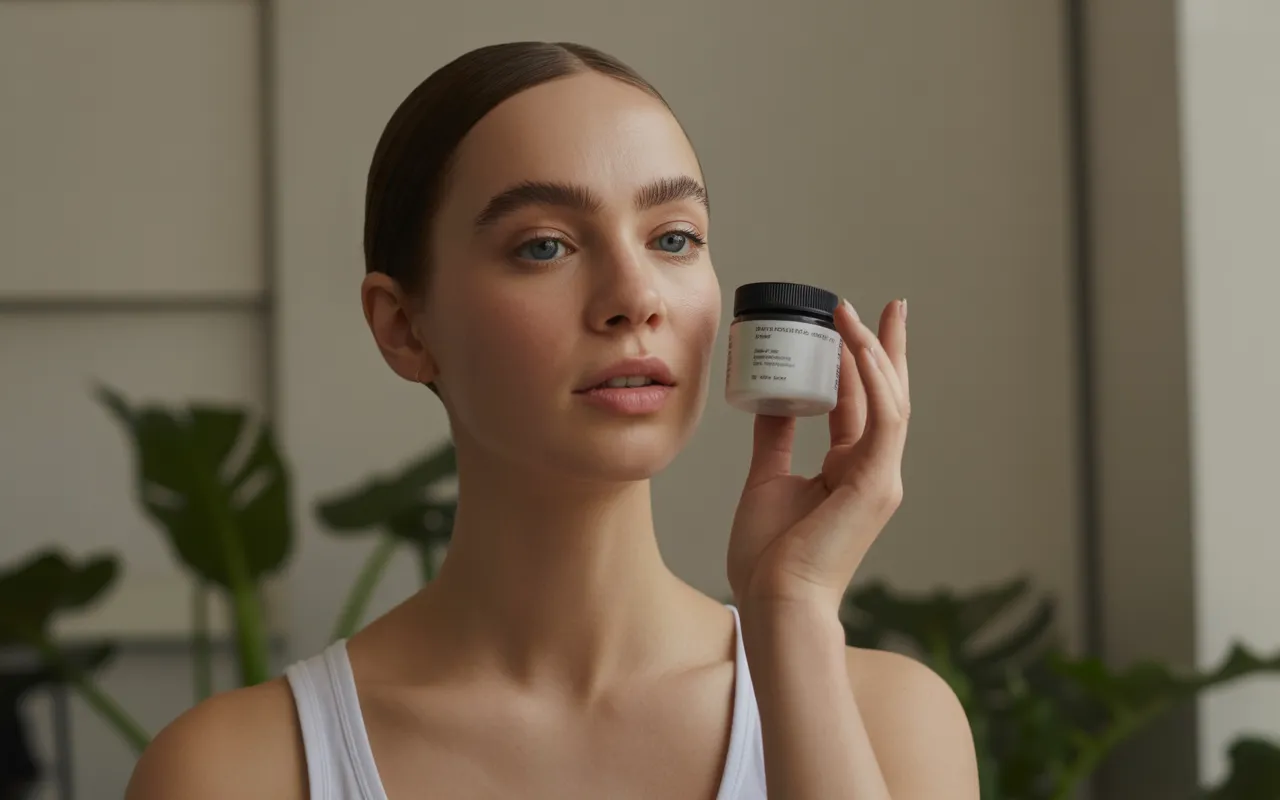
Sometimes, the best thing you can do for your body is to trust it. A minimal skincare routine isn’t just about saving time or money; it’s about respecting the biology you were born with.